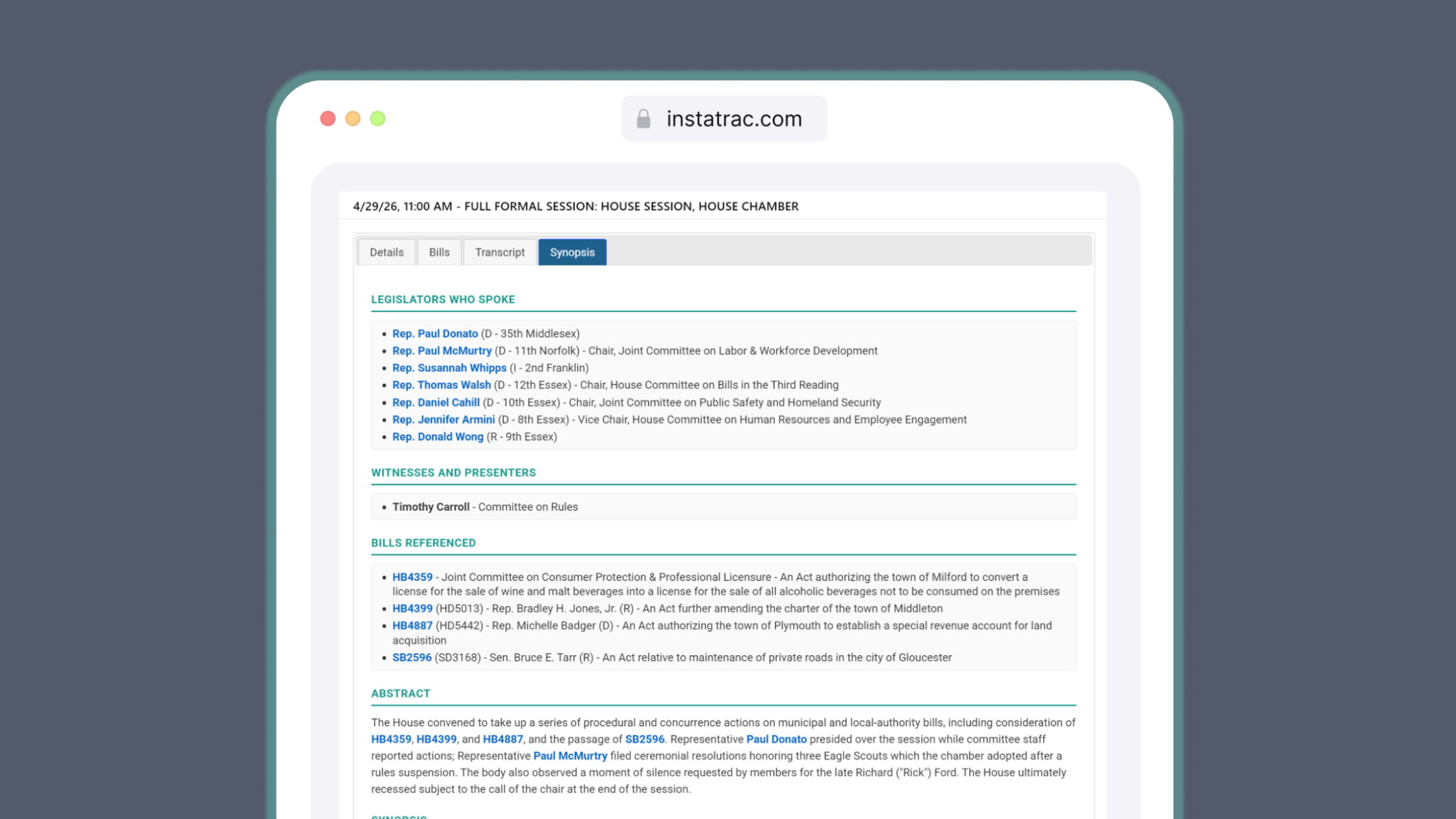
Navigate budget debates with MassTrac's transcript synopses
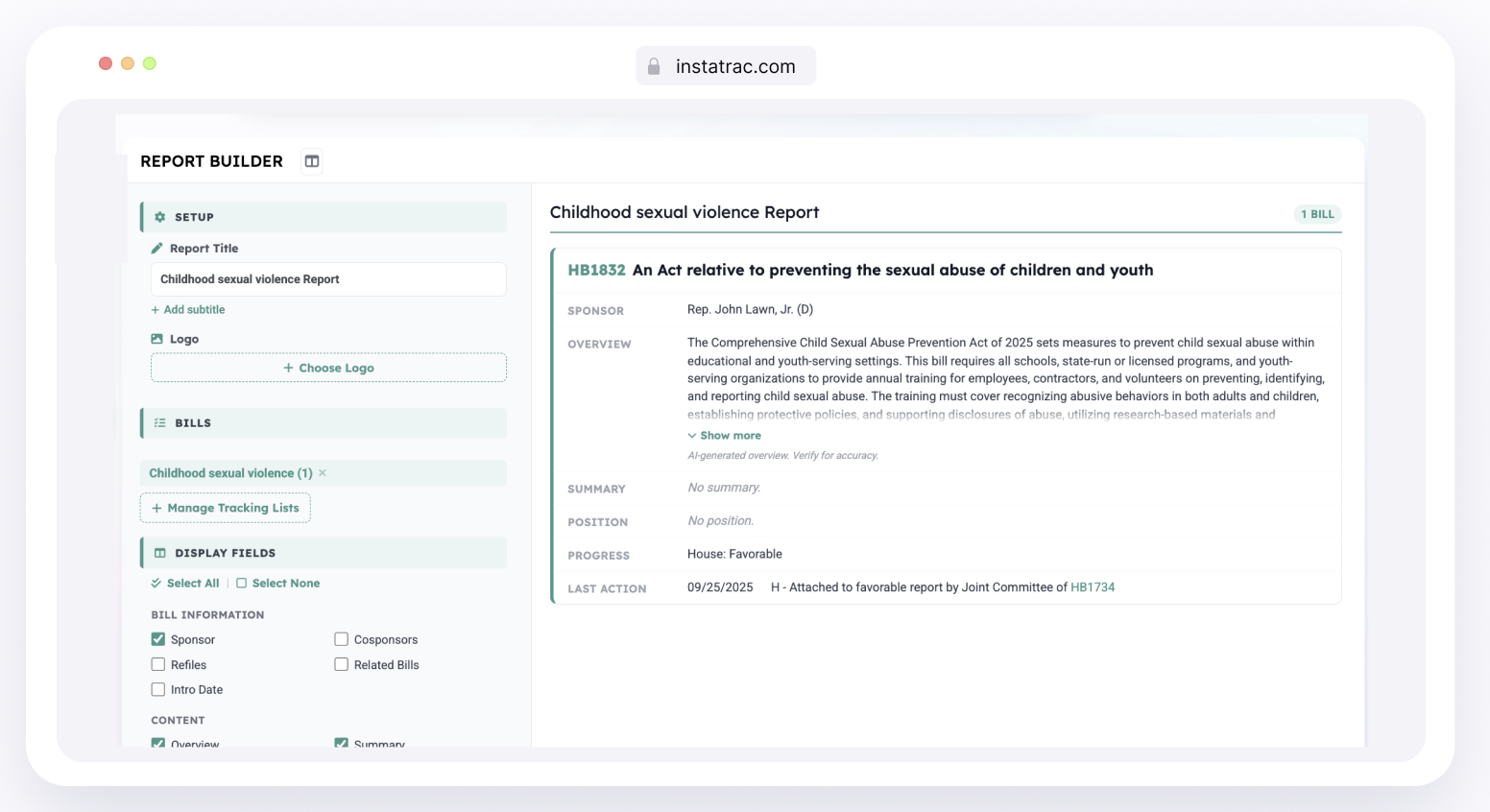
Discover MassTrac's new Synopsis tab—get hearing summaries, speaker lists, and bill references in seconds. Made for budget debates on Beacon Hill.
Insights, analysis, and guidance from the world of Massachusetts politics and municipal affairs.
Discover MassTrac's new Synopsis tab—get hearing summaries, speaker lists, and bill references in seconds. Made for budget debates on Beacon Hill.
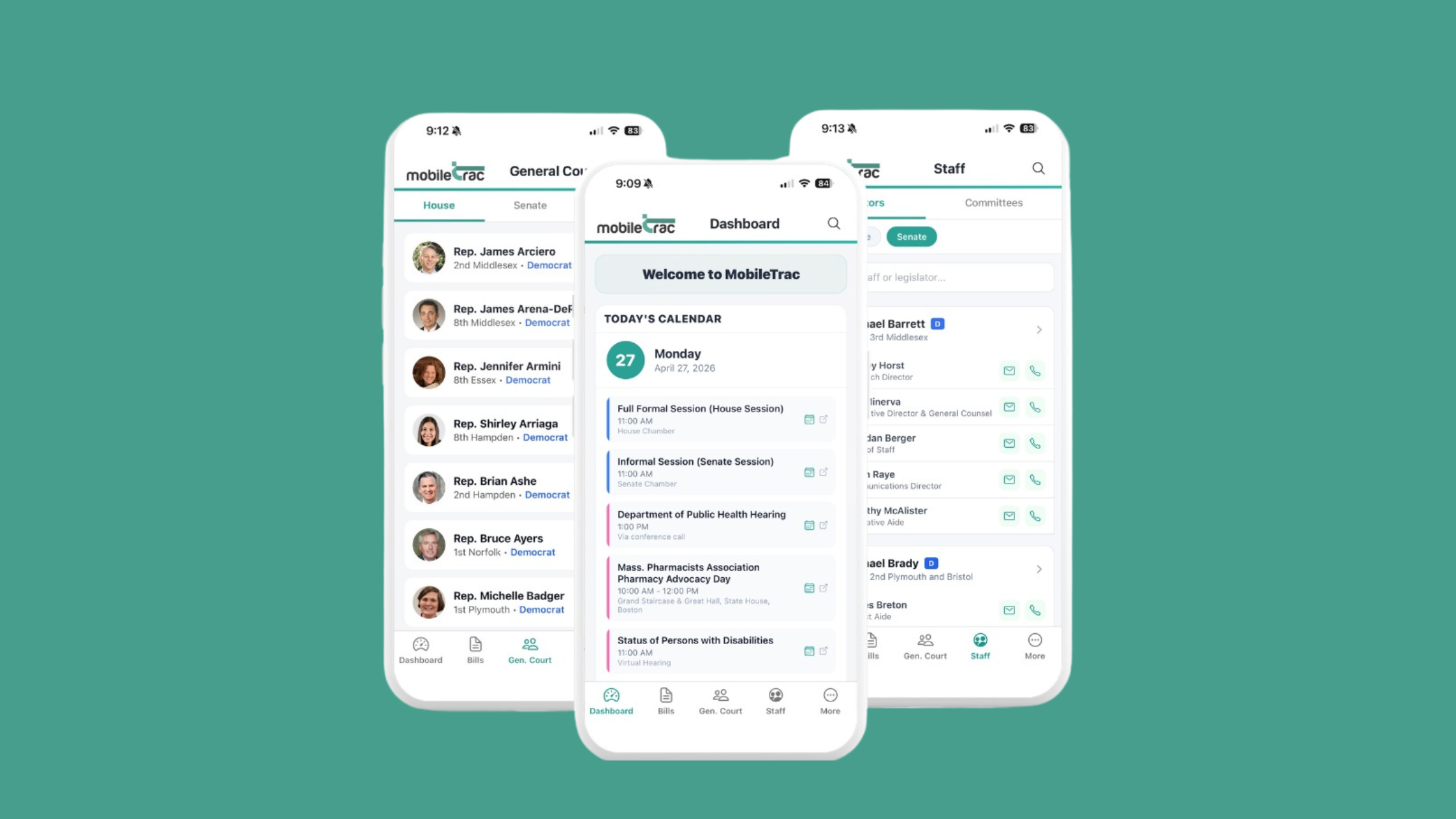
Mobile legislative tracking for Massachusetts government affairs professionals. MobileTrac syncs with MassTrac to deliver real-time bill alerts, General Court rosters, and legislative intelligence on iOS and Android.
Choose a municipal meeting records platform that ensures compliance, delivers searchable transcripts, and saves staff time while improving public access.
$63.3 billion, dozens of outside sections, and amendments still to come. Here's what the House FY27 budget proposal actually contains.
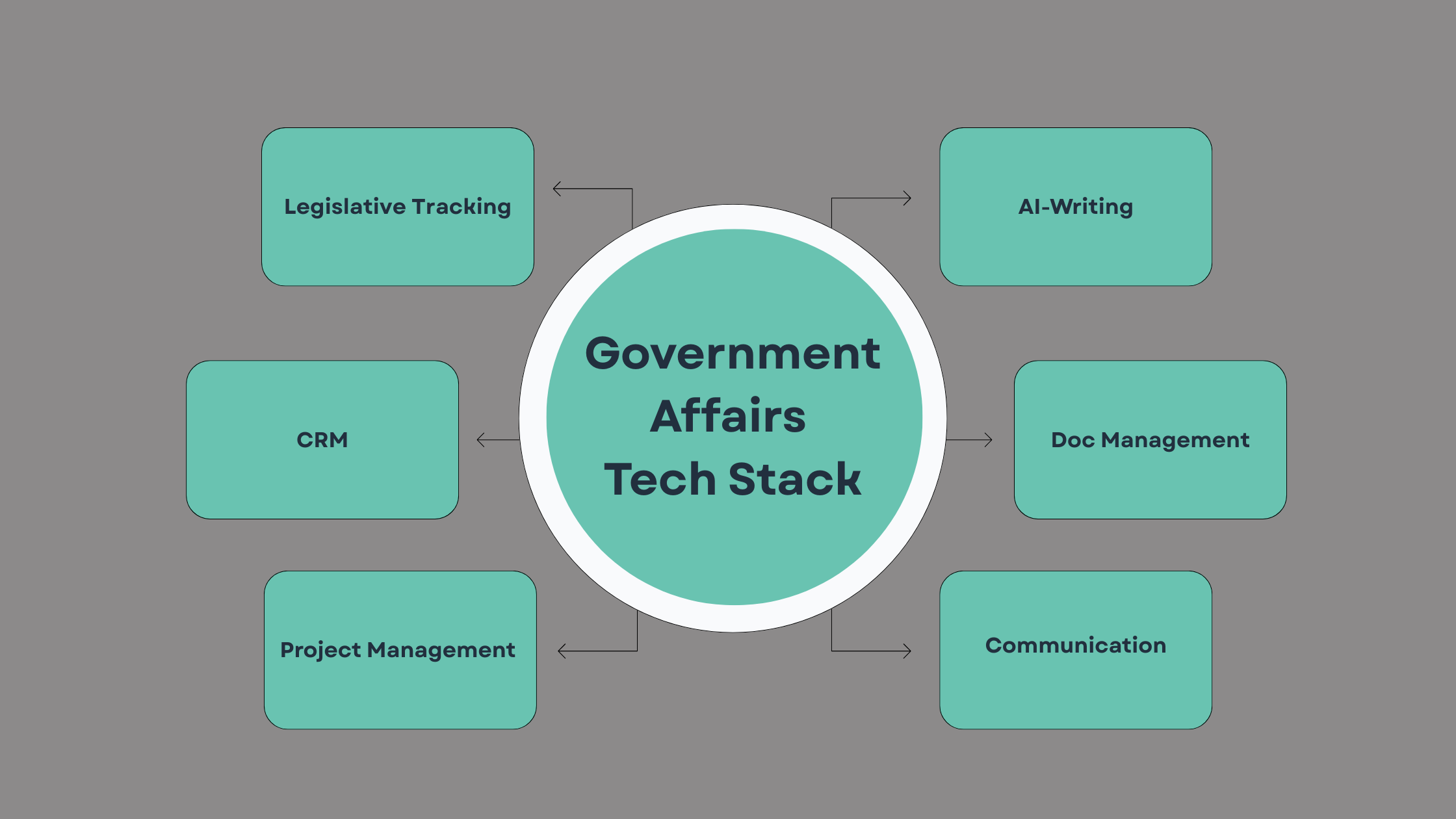
Complete guide to the government affairs tech stack—tools for tracking legislation, managing clients, writing faster, and staying organized.
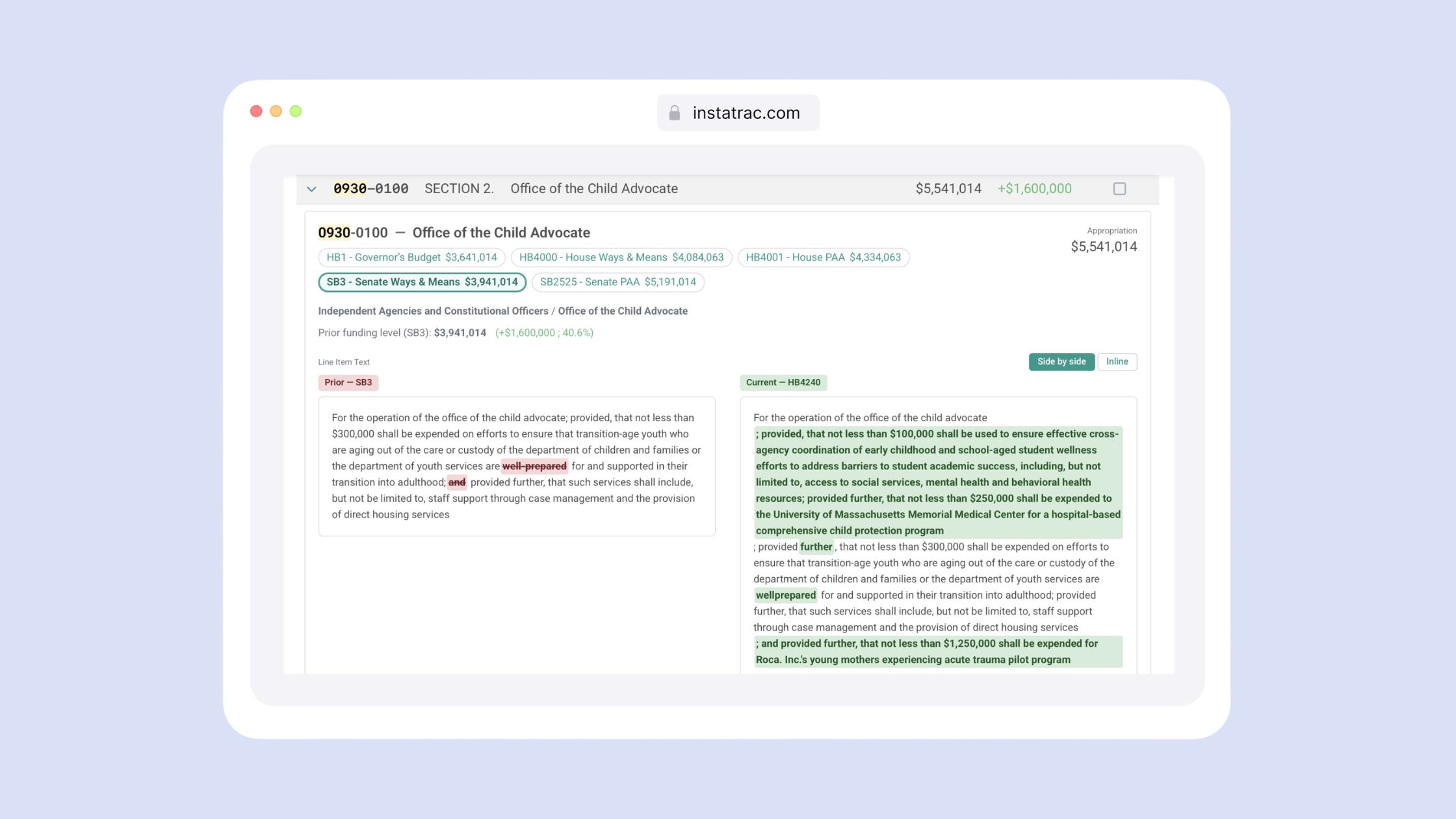
Tracking Massachusetts budget changes used to mean spreadsheets and manual comparisons. MassTrac's new Line Item Compare tool changes that. Here's how.
MassTrac gives government relations professionals the Beacon Hill expertise and tracking tools to turn legislative chaos into clear, actionable intelligence.
Massachusetts legislation can move quickly, and staying informed shouldn’t require hunting down information across dozens of sources. This post explores the challenges businesses face tracking activity on Beacon Hill—and how MassTrac simplifies the process by centralizing bill tracking, legislative updates, and policy insights in one place.
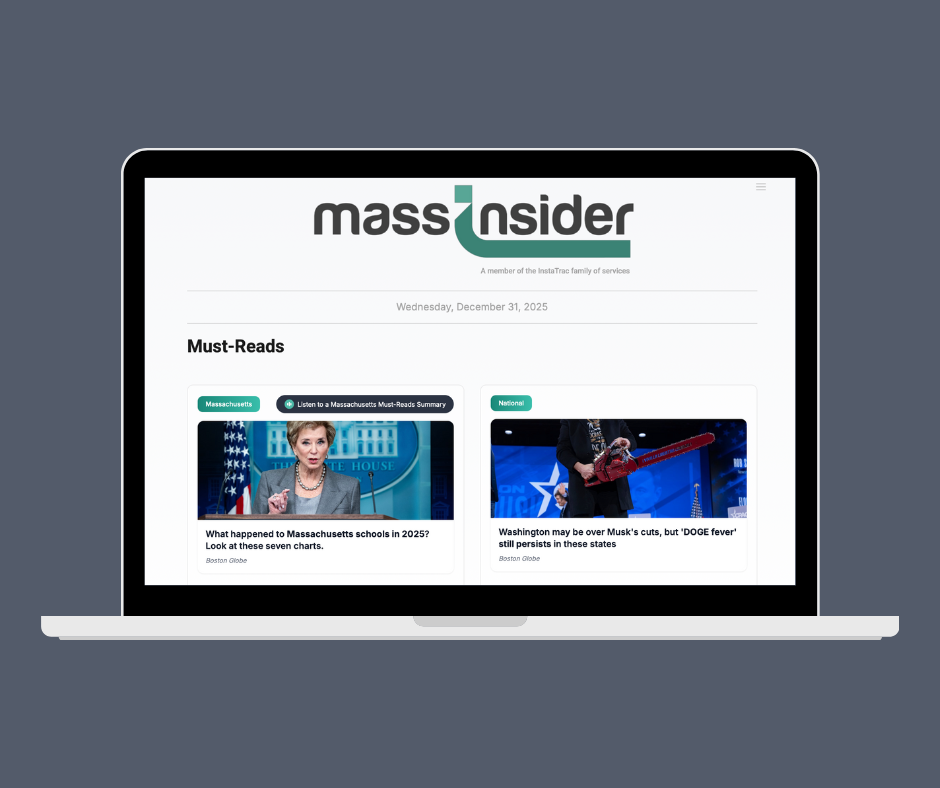
Covering Massachusetts government involves tracking thousands of bills and a complex state budget. InstaTrac’s tools — MassInsider and MassTrac — help journalists stay ahead with daily news briefings, real-time bill tracking, and easy access to legislative data, making it faster and easier to report on Beacon Hill.
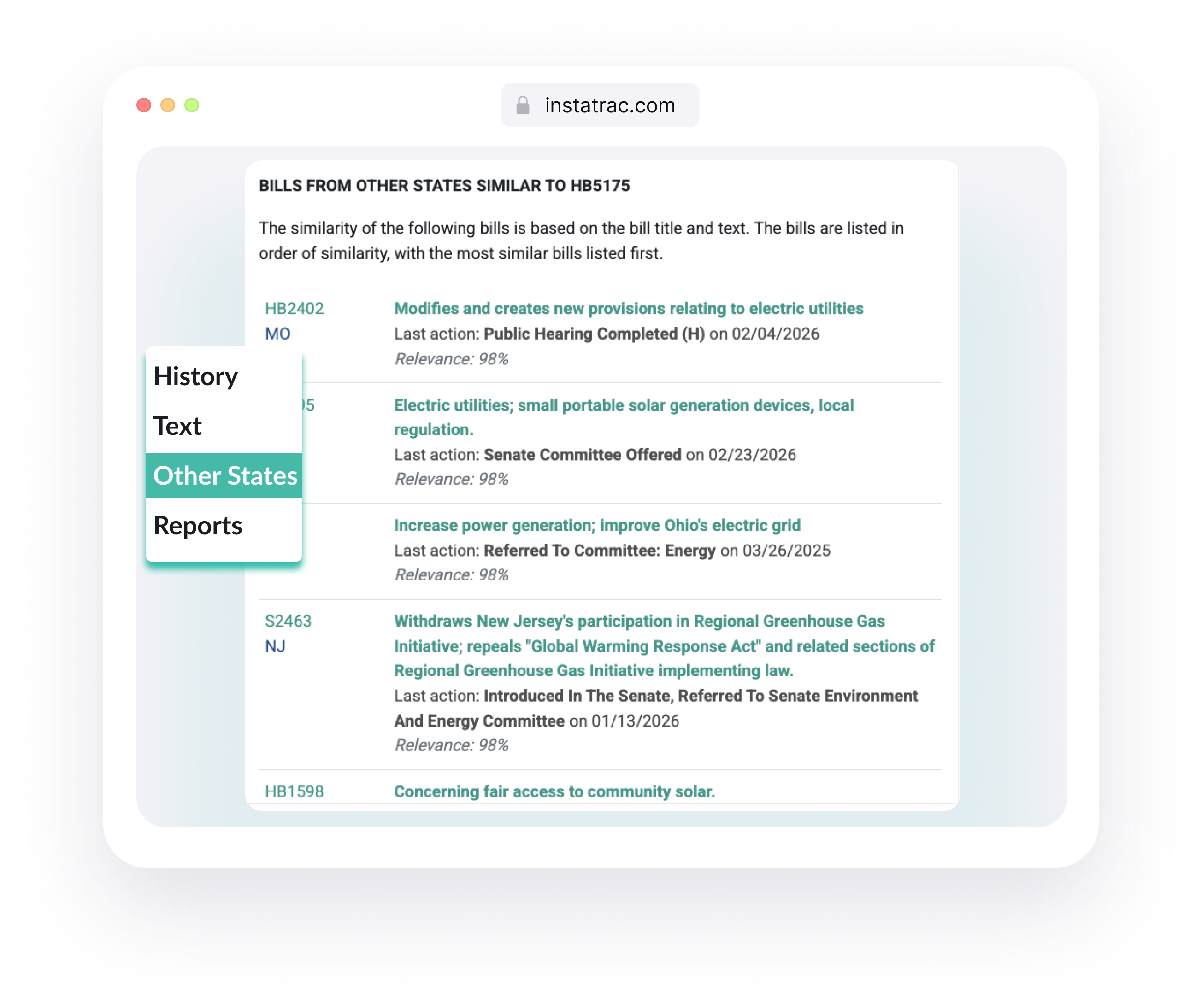
Legislation doesn't happen in a vacuum. Policy ideas move from state to state, and what passes elsewhere often influences what happens in Massachusetts. MassTrac's "Other States" feature shows you related legislation from across the country—where similar policies are advancing, how Massachusetts compares, and what context matters for your work here.
After three years building AI tools for Massachusetts legislative tracking, we’ve learned what truly works for lobbyists and advocates. From instant bill summaries to smart text comparisons and searchable hearing transcripts, here’s how AI is changing legislative affairs on Beacon Hill.
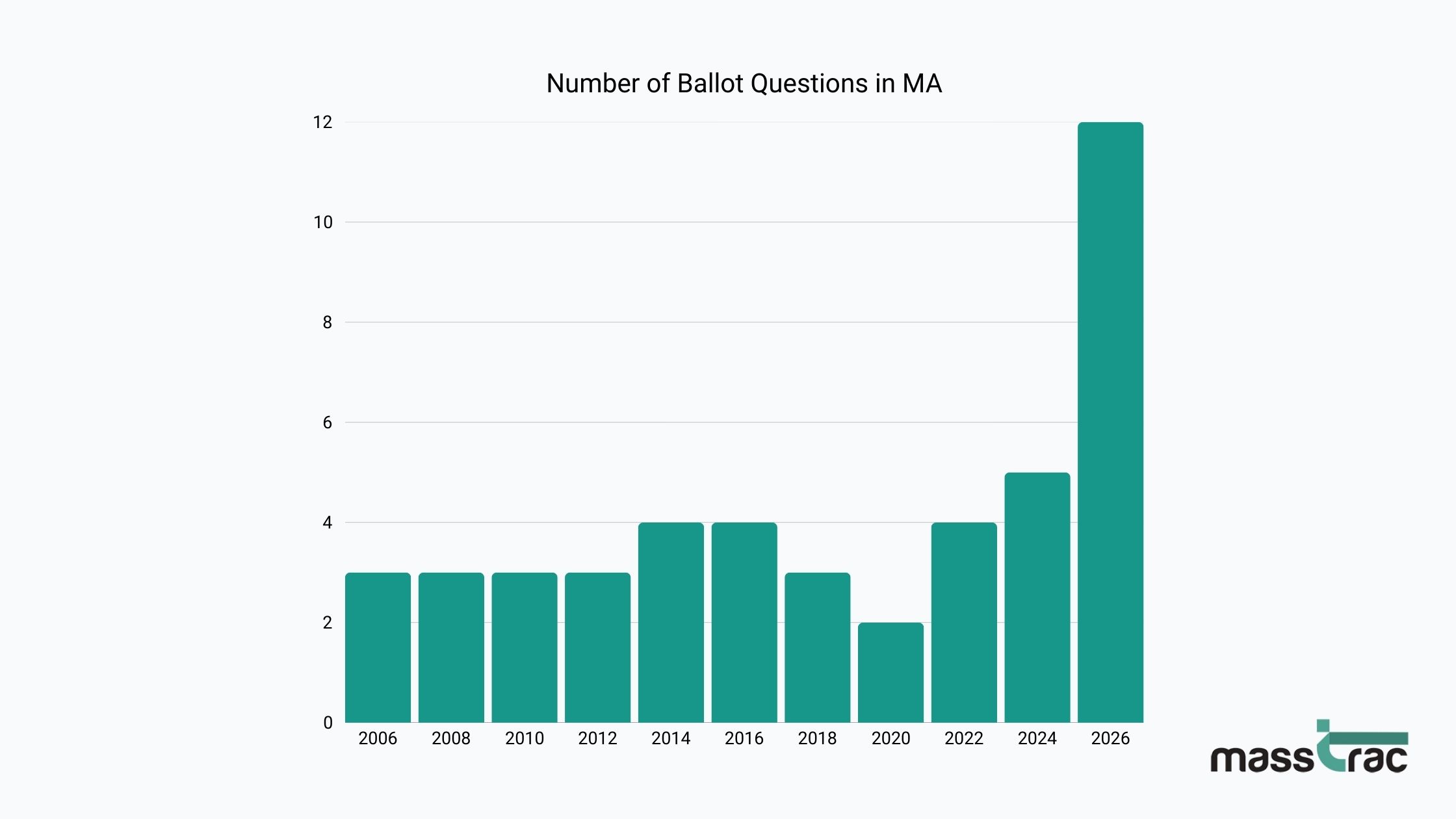
Massachusetts is experiencing a record-breaking surge in ballot initiative activity for the 2026 election cycle, with 47 petitions filed and up to 12 potential questions headed for the November ballot. A newly formed special legislative committee will review 11 certified citizen initiatives covering tax reform, rent control, election changes, cannabis regulation, and government transparency.
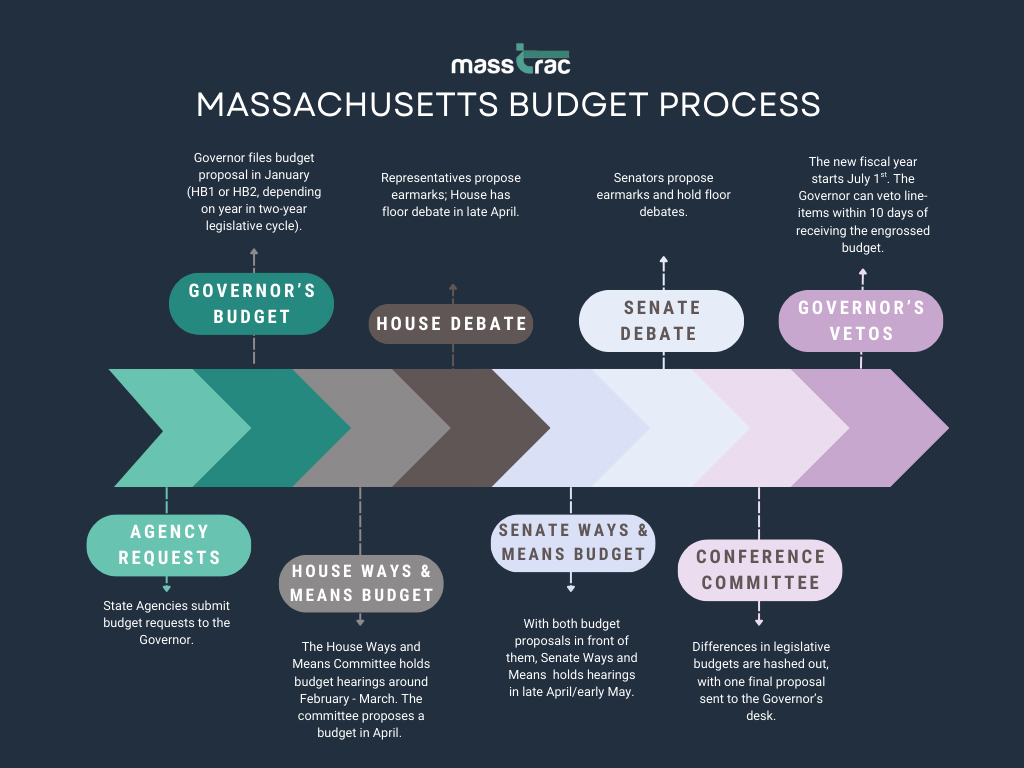
The Massachusetts budget process is an annual cycle that allocates state funding through a series of steps involving the Governor, House, and Senate. Beginning with agency requests and the Governor’s budget proposal, the process moves through House and Senate Ways and Means budgets, floor debates, conference committee negotiations, and final approval before the July 1 fiscal year start.
Discover how MuniTrac helps Massachusetts town clerks automate meeting minutes, transcription, and public records management—saving time while improving accuracy and transparency.
Sean Cusick, a high school English and journalism teacher at Tantasqua Regional High School in Fiskdale, Massachusetts, uses InstaTrac’s MassInsider newsletter to help students understand how modern news and journalism actually work.
Instatrac is upgrading the way Massachusetts public affairs professionals track legislation and stay informed. With a redesigned website and the launch of MobileTrac, Instatrac now offers faster access to legislative tracking, municipal meeting intelligence, and political news across MassTrac, MuniTrac, and MassInsider.
Learn how the City of Everett uses MuniTrac to streamline City Council and School Committee meeting minutes, saving staff time while strengthening transparency and public access.
Breaking news: the media landscape has changed. Less breaking: MassInsider has changed with it. On January 5, 2026, InstaTrac rolled out a new and improved MassInsider newsletter, designed for the modern media moment.
InstaTrac CEO Michael Segal reflects on a successful 2025, highlighting four new AI features for MassTrac, including audio bill overviews, transcript synopses, Smart Search, and Smart Compare.
At InstaTrac, we’ve always believed that finding legislation should be fast, intuitive, and as close to the way you naturally think as possible. Today, we are introducing a new way to make that happen.
Record 44 Massachusetts ballot initiatives advance for 2026 including stipend reform, rent control, income tax cuts, and marijuana recriminalization measures.
MassTrac eliminates lobbyist struggles with scattered amendments, late-night changes, and manual tracking through real-time alerts, Smart Compare, and transcripts.
MASC 2025 highlighted school committee challenges: overburdened staff, transparency demands, limited budgets, and compliance. MuniTrac automates solutions for each.
MuniTrac exhibits at MASC 2025, showcasing automated meeting transcription, AI-generated minutes, and compliance tools reducing school committee administrative burdens.
Quescilla Brooks, MuniTrac Director of Operations and former public school teacher, manages transcription quality, delivery timelines, product updates, and client support. Her teaching background informs her approach to communicating complex ideas clearly and valuing transparency and accountability.
InstaTrac Director of Operations Chelsea Petersen draws on 17+ years experience, including work in Governor Romney's office and political opposition research background.
InstaTrac revitalized MassTrac's Bill Overview feature after collaborating with a policy-language consultant and former Massachusetts Senate legislative director. The hybrid approach uses AI-generated summaries reviewed by legal teams to ensure accuracy while improving readability and tone.
InstaTrac CEO Michael Segal built MassTrac 31 years ago to provide legislative intelligence beyond data, combining 50+ years of State House expertise with technology.
Massachusetts Open Meeting Law (Chapter 30A) requires public bodies to post meeting notices 48 hours in advance with location, time, and topics; maintain minutes available within 10 days including date, attendance, actions, and votes; and prohibit secret ballots and quorum deliberations outside noticed meetings. MuniTrac complies with it all.
InstaTrac will demonstrate MassTrac tools at FOCUS 2025, Massachusetts Budget and Policy Center's inaugural policy conference. Features showcased include Smart Compare for side-by-side budget text and amendment comparison, searchable speaker-attributed transcripts synced to video for capturing fiscal debates, real-time alerts for budget amendments and line-item changes, and hearing notifications.
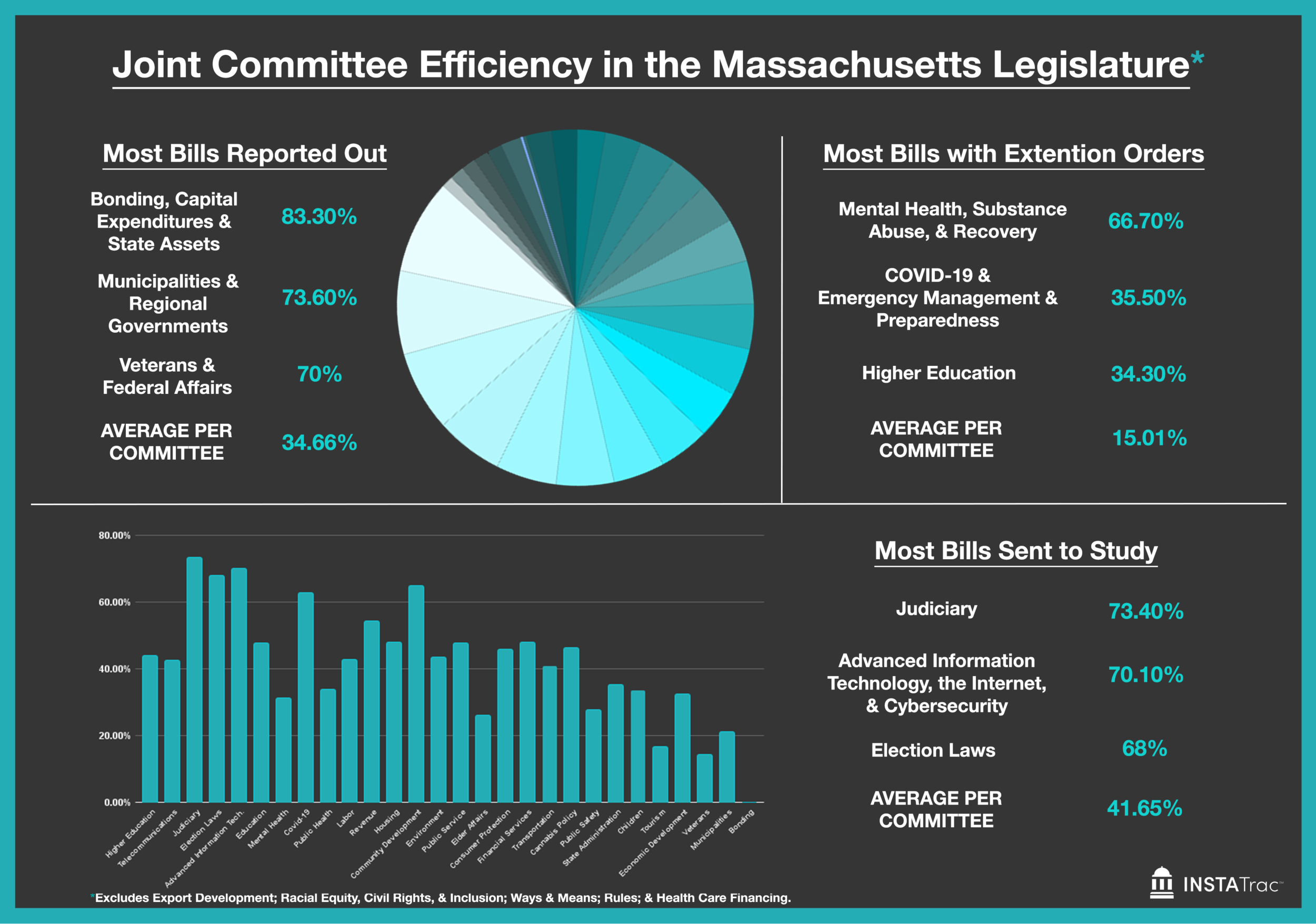
Of 7,279 Massachusetts bills filed, 6,548 (90%) remain in initial committees with only 712 reported out and 19 sent to study. Housing retains 97% of 216 referrals, Mental Health 99% of 92 bills, and Revenue 98% of 498 bills. Municipalities and Regional Government reported 118 of 261 bills (45%).
Bills contain structured components: bill numbers (H.324/S.1500 for House/Senate), titles summarizing subjects, preambles explaining intent, enacting clauses authorizing legislation, sections with amendments to existing statutes or new provisions, definition clauses, line references showing changes to prior laws, and effective date clauses.
Small municipalities with limited staff and tight budgets face heavy meeting documentation burdens including manual transcription, tight publication timelines, and high transparency expectations. MuniTrac provides 24-hour transcripts with speaker attribution, keyword-searchable records synced to video timestamps, auto-generated meeting minutes reducing manual drafting hours, and built-in multilingual translation for accessibility.
MassTrac's committee pages offer chair and vice chair headshots, updated addresses and phone numbers, staff directories with one-click email access, and custom tracking alerts for bill reports, referrals, scheduled hearings, and news articles.
MuniTrac converts municipal meeting videos into accurate, speaker-attributed transcripts delivered within 24 hours after staff upload agendas and recordings. The system provides keyword searches synced to exact video timestamps, AI-generated editable meeting minutes, and permanent accessible records.
MassTrac's Daily Alert delivers personalized legislative updates in one email including new bills and amendments to track, actions on tracked bills with customizable frequency, new bill text alerts for as-filed, substituted, amendment, or enacted versions, upcoming committee and regulatory hearings, transcripts with keyword alerts and legislator testimony notifications, filtered news and press releases, and section-by-section budget summaries.
MuniTrac is InstaTrac's talk-to-text transcription service for municipal governments, automatically transcribing virtual meetings with human editing and speaker attribution within 24 hours.
MassTrac's Smart Compare Tool enables detailed bill version comparison through the Bills & Laws tab. Features include side-by-side and inline viewing modes, section-level change tracking with percentage modifications based on word count, deleted sections shown as strikethrough text, highlighted additions, manual section realignment for reorganized content, and citation comparison editing.
Compete on Beacon Hill as a Lobbyist using MassTrac, a legislative intelligence software tool.
The FY26 Massachusetts budget totals $60.9 billion, signed July 4, 2025, with $22.1B for MassHealth, $7.36B for Chapter 70 education aid, and $1.32B in local aid. Fair Share surtax generated $2.4B: $1.5B for education (including $266M for free community college) and $711.9M for transportation (including $470M for MBTA).
Massachusetts had three consecutive House Speakers convicted of felonies: Charles Flaherty (tax evasion), Thomas Finneran (obstruction), and Salvatore DiMasi (fraud).
Legislative intelligence involves tracking State House activity before it impacts organizations or communities. MassTrac's service provides customized tracking across multiple bills with real-time alerts for keywords, sponsors, and committees; comprehensive bill overviews with legal and AI-generated summaries, legislative histories, and amendment tracking; side-by-side bill version comparison tools; and legislator profiles including voting history, committee assignments, and sponsored bills.
InstaTrac has partnered with the Massachusetts Nonprofit Network (MNN), representing 550 nonprofit organizations statewide. MNN members receive revenue-scaled discounts on InstaTrac's legislative tracking platform, including real-time bill and budget tracking, bill text comparisons, summarized budgets, committee activity updates, legislator and staff contact information, and customized alerts.
Decode Beacon Hill jargon including Joint Rule 10 deadlines, study orders, engrossment, outside sections, and the difference between formal and informal sessions.
Massachusetts FY2026 budget proposals range from $61.51B (Senate) to $62.83B (Governor), with differences in human services, early education, and MBTA funding.
Massachusetts 2025-2026 session includes 400+ veteran-related bills. MassTrac enables tracking, bill comparison, and custom reports on veteran legislation.
MassTrac offers personalized legislative tracking unavailable on malegislature.gov, including customizable Daily Alerts, team collaboration features, statutory citation searches, plain-language bill summaries, and comprehensive budget coverage with amendment-by-amendment analysis.
he Senate FY26 budget totals $61.3 billion with allocations including $22.41 billion for MassHealth, $7.36 billion for Chapter 70 education aid, $1.34 billion in municipal aid, and $1.65 billion for higher education.
Massachusetts' longest-serving legislators include Rep. Kevin Honan (39 years), Sen. Mark Montigny (33 years), and Rep. Colleen Garry (37 years) shaping policy.
The House FY26 budget totals $61.4 billion with major allocations: $22.4 billion for MassHealth, $7.36 billion for Chapter 70 education aid, $1.31 billion in local aid, and $1.61 billion for higher education. Fair Share surtax revenue of $1.95 billion funds $360 million in childcare grants, $240 million for per-pupil reimbursements, $190 million for free school meals, and $94 million for free community college. Notable omissions include Pappas Hospital closure and candy sales tax expansion.
MassTrac provides three ways to access Massachusetts voting records: the General Court "Votes" section showing House, Senate, and Committee votes with Yea/Nay counts and staff-written descriptions; the Scorecard feature for personalized vote tracking; bill pages showing floor vote breakdowns with full legislator results; and individual legislator pages accessible via search or General Court navigation.
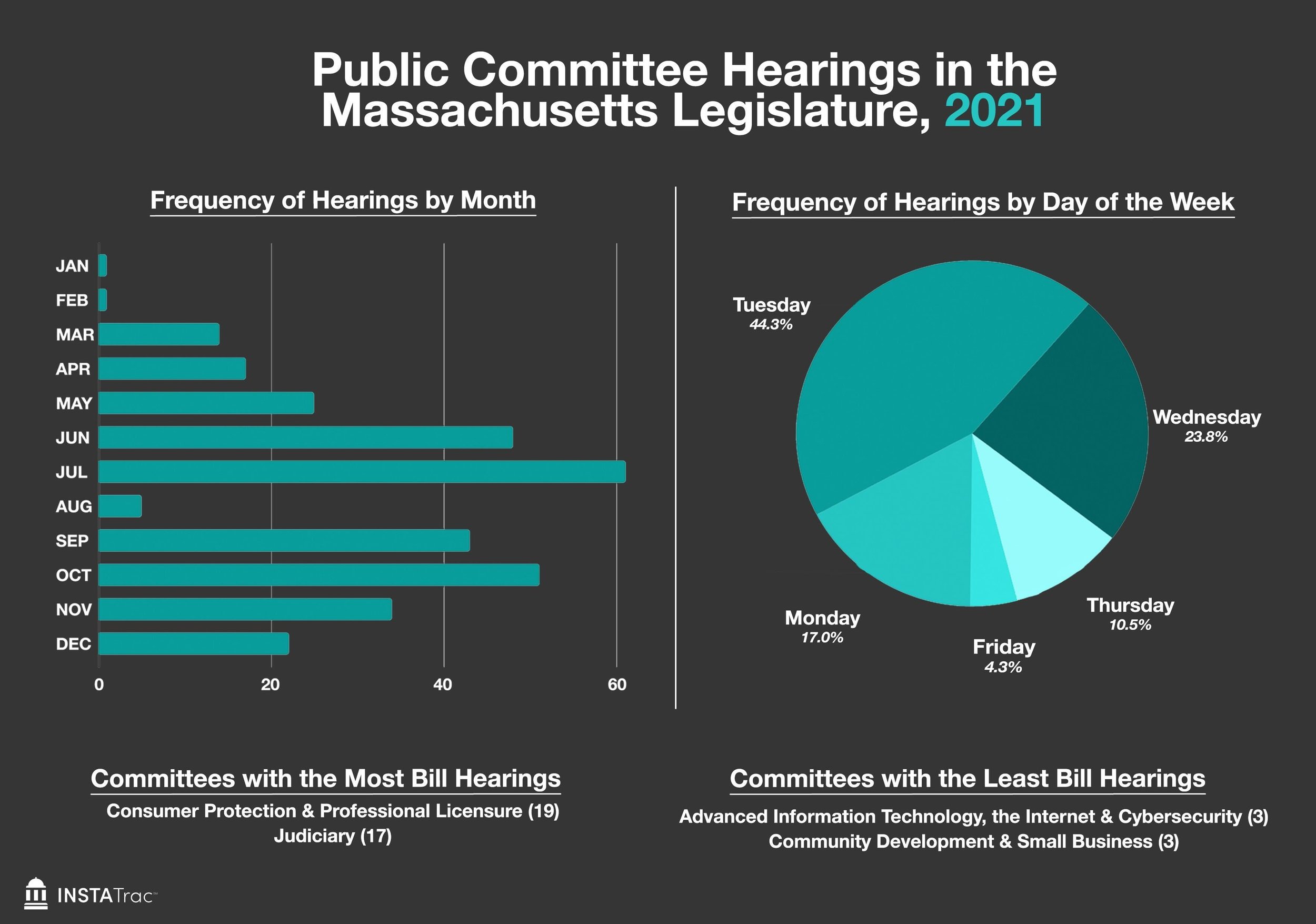
Massachusetts committee hearings peak in June and October, with Tuesdays being the busiest day averaging 157 hearings annually based on 2009-2023 data analysis.
Maintaining civility in policy negotiations through active listening, fact-based arguments, and relationship building is essential for effective governance.
MassTrac's bill information page provides comprehensive tracking including sponsor details, status updates, AI summaries, and section-by-section analysis tools.
Massachusetts freshman legislators average 13 sponsored bills and 21 co-sponsorships, with Leigh Davis leading at 25 bills and Tara Hong co-sponsoring 59.
Since 2019, Massachusetts chambers have operated under separate rules without formal agreement. Both now propose transparency reforms including public committee votes and testimony publication.
MassTrac's Daily Alert delivers morning email digests tracking Massachusetts bills, amendments, hearings, and legislators with customizable notifications and transcripts.
Massachusetts legislators average 53 years old, exceeding the state's median age of 40, with 43% of senators and 26% of House members over 60 years old.
Massachusetts legislators bring diverse professional backgrounds including city government (21%), state legislature (20%), and law (13%) shaping their policy priorities.
Massachusetts legislators filed bills by January 17, 2025, with top priorities including governor/executive branch, public health, and health professionals.
Twenty-two new Massachusetts legislators took office in 2024. Early engagement strategies include researching backgrounds, customizing messaging, and building staff relationships.
Refiled bills are proposals reintroduced after failing to pass in previous sessions, either unchanged or revised based on feedback. The 2025-2026 Massachusetts session received 6,853 bills with 48% being refiles. Leading refilers include Sen. Bruce Tarr with 96 bills, Sen. Patrick O'Connor with 93, and Rep. Brad Jones with 90. MassTrac users can track refiles through bill pages, compare versions using text comparison tools, and re-track previous session bills via dashboard buttons.
MassTrac provides tips for the 2025-2026 legislative cycle including keeping tracks intact, using AI bill tracking, and configuring daily alert settings.
Massachusetts 193rd session passed 463 laws, the lowest in 10 sessions, with 85% being home rule petitions and 15% comprehensive bills including major reforms.
The 2023-2024 Massachusetts legislative session filed 10,159 bills with only 391 enacted, a 45% decrease from 2021-2022. Key metrics include 3,362 bills sent to study, 8,995 amendments filed, 460 committee hearings held, and 455 roll call votes. Sen. Paul Feeney was most effective moving 68 bills through. Sen. Bruce Tarr sponsored 156 bills and proposed 108 FY25 budget amendments. Sen. Joan Lovely received $5.6 million in FY25 earmarks.
Starting January 1, 2025, MassTrac introduces AI-generated bill overviews, event transcript synopses, MassTrac Copilot for legislative questions, enhanced statutory citation search beyond keywords, real-time notifications for tracked topics, a "What's New" dashboard highlighting upcoming debates and events, centralized legislative staff directory, and external track sharing with assignment capabilities for team collaboration.
Massachusetts gun law faces 2026 veto referendum after opponents collected 90,000 signatures challenging comprehensive firearm regulations passed in summer 2024.
Massachusetts enacted a $3.96 billion economic development bill funding life sciences ($580M), infrastructure ($400M), clean energy ($200M), and offshore wind ($200M). The bill includes 300+ sections covering small business support, theater tax credits, and soccer stadium land reclassification.
The 2024 elections results have all been tallied. Below, find a complete list of the new state representatives and senators for the upcoming 2025 - 2026 session.
Kamala Harris wins Massachusetts with 60% of votes; voters approve three of five ballot questions including auditing legislature and eliminating MCAS requirement.
Massachusetts home rule petitions allow municipalities to request specific powers or exemptions from state law tailored to local needs through legislative process.
The 2023-2024 Massachusetts legislative session enacted 17 election bills on local rules and polling locations. Despite 35 campaign finance bills introduced, none passed. Notable proposals included HB4173 limiting dark money in local government, HB722 banning foreign-influenced corporate spending, SB2062 disqualifying convicted felons from lobbying, HB709 regulating political push-polling, SB2730 limiting political deepfakes, and SB414 establishing public matching funds for candidates.
Massachusetts voters face five ballot questions: Question 1 allows the state auditor to audit the legislature; Question 2 eliminates MCAS as a graduation requirement; Question 3 authorizes sector-based bargaining for rideshare drivers; Question 4 legalizes naturally occurring psychedelics including psilocybin for personal and clinical use; Question 5 phases out the $6.75 tipped minimum wage to reach $15 by 2029 while allowing tip pooling among restaurant staff.
Massachusetts legislators earn $73,655 base salary constitutionally tied to median household income. Leadership stipends range from $5,200 to $80,000 for Senate President and House Speaker, averaging 20% of total pay. 2017 legislation increased top stipends by 130%.
Of 200 Massachusetts legislative seats, 135 House incumbents and 32 Senate incumbents run unopposed, totaling 83.5% uncontested races. Contributing factors include no term limits allowing longtime incumbents to accumulate advantages, lower turnout in non-presidential/gubernatorial years, incumbents' ability to transfer campaign funds between cycles while challengers start from zero, and ballot-order effects placing incumbent names first, which research shows increases electoral performance.
Successful Massachusetts lobbying requires mastering the two-year legislative cycle, researching legislators and districts using MassTrac's profiles and monthly-updated staff directories, developing data-backed objectives, tracking policy trends from 1995 onward, building coalitions through MassTrac's lobbyist database, and conducting concise meetings with professional follow-up to maintain relationships throughout the legislative process on Beacon Hill.
Lobbyists must research new legislators' backgrounds, customize messaging, establish early relationships, and monitor committee assignments to influence policy.
2024 Mass. Primary Candidates for State Legislature #block-yui_3_17_2_1_1724769475082_1334 {--sqs-block-content-flex: 0; }
Massachusetts formal sessions permit roll call votes, full debates, and amendments with required quorum (81 House, 21 Senate) traditionally ending July 31st. Informal sessions use voice votes requiring unanimous consent, allow limited debate, need no quorum, and run year-round for routine matters. Fifteen major bills remain unpassed after July 31st, 2024. The Economic Development Bill requires a special formal session for its bonding component under state constitution.
The 2023-2024 Massachusetts session recorded the lowest roll call votes in five sessions and 175 bill extension orders, the highest in 10 years. Contributing factors include an 84% Democratic House supermajority and 90% Senate supermajority reducing competitive pressure, veteran legislators facing less accountability, leadership changes under Speaker Mariano and Senate President Spilka, and widespread leadership stipends potentially discouraging independence and legislative criticism.
Despite being a full-time legislature, Massachusetts passes fewer bills than expected. The 2023-2024 session recorded only 448 total votes across both chambers—the lowest in six sessions. The Senate held 249 votes with nearly 20% in July 2024 alone, while the House recorded 199 votes with 59% occurring in the final four months. Previous sessions like 2015-2016 saw 1,240 votes, highlighting the current legislature's historically low productivity and last-minute concentration.
MassTrac streamlines journalism research with features including Daily Alerts for immediate legislative updates, Talk-2-Text transcriptions of hearings and debates, plain-language bill summaries, bill text comparison tools tracking amendments, comprehensive budget analysis, elected official profiles with voting records and effectiveness ratings, updated staff directories, historical data dating to 1995, and Scorecard features for tracking multiple bills and votes simultaneously.
The Massachusetts FY25 budget totals $58.03 billion, a $1.8 billion increase from FY24. Key allocations include $6.9 billion for Chapter 70 education aid, $93.5 million for free community college, $20.36 billion for MassHealth, $447 million for the MBTA, $204 million for fare-free Regional Transit Authorities, and $326.1 million for emergency family shelters. The budget also introduces iLottery to fund childcare provider grants totaling $310 million.
Massachusetts has strict lobbying laws requiring employers to register as corporations before lobbying registration. Foreign corporations need a registered agent, certificate of good standing within 90 days, and $390 fee. All paperwork must be submitted by December 15, 2024 to lobby in 2025. Annual reports are due 2.5 months after fiscal year end, and lobbyist disclosures are due July 15, 2024. Late registration results in fines from the Secretary of the Commonwealth.
The Disability Law Center adopted MassTrac to track over 60 bills mentioning disabilities since 1995. Before MassTrac, employees manually tracked legislation with risk of missing updates.
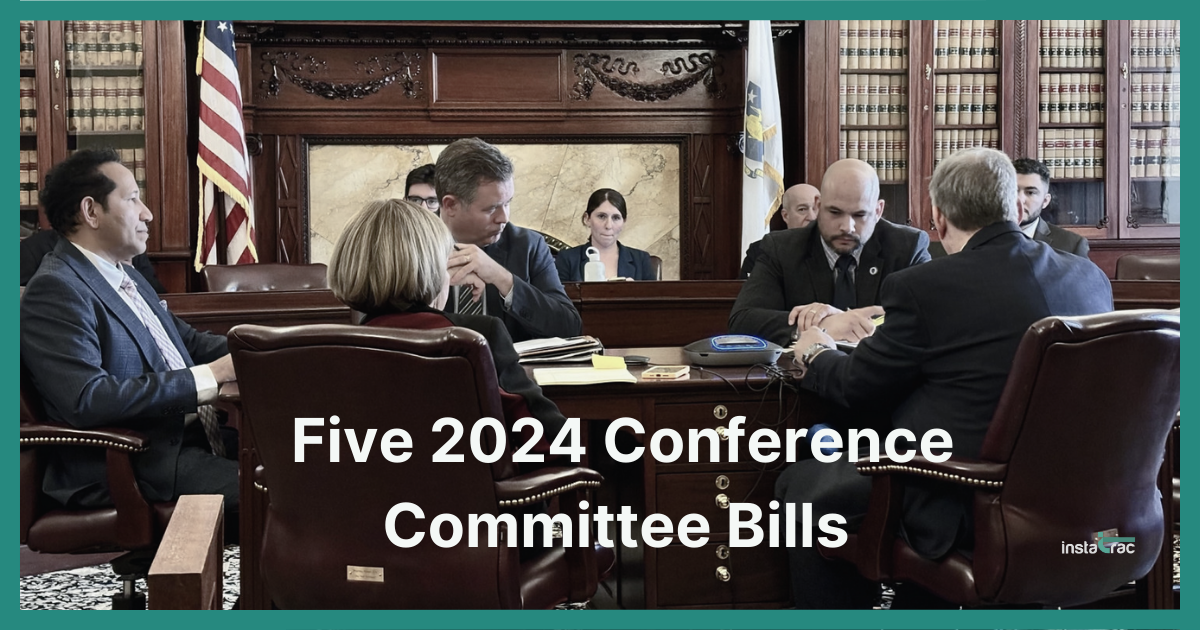
Five Massachusetts bills in conference committee including FY25 budget, infrastructure funding, joint rules, gun reform, and salary wage transparency.
Paul Jacques, Legislative Agent for the Professional Fire Fighters of Massachusetts representing 12,000 firefighters, replaced his color-coded binders with MassTrac in 2010.
Education topped 2023 Massachusetts lobbying spending at $7.3 million, followed by business associations ($6.4 million) and pharmaceuticals ($5.9 million). Major players include Massachusetts Health & Hospital Association supporting behavioral health access, PhARMA opposing drug pricing legislation, and MassBio backing education bills while opposing Medicare for All.
The Massachusetts Senate approved a $57.9 billion FY2025 budget after adding nearly 500 amendments, $10 million less than the House proposal. Key differences include free community college funding, $555 million for MBTA in the House versus Senate's regional transit focus, and $190 million for universal free school meals in the House compared to $170 million in the Senate. The budget increases Chapter 70 education aid to $6.9 billion.
InstaTrac appoints Mark Stodder, former Xcential Legislative Technologies President, as Advisor for MuniTrac to enhance municipal transparency tools.
Senator Susan Moran's office replaced manual spreadsheets tracking 60-70 bills with MassTrac's automated system. Legislative Director Cameron Lease reports key benefits including efficient bill monitoring with alerts, enhanced data analysis for strategic decisions, and streamlined co-sponsorship research. The office now easily generates district-specific reports and tracks bills reported favorably from committee, especially valuable for Joint Rule 10 deadlines.
The Massachusetts House approved a $58.07 billion FY2025 budget, $95.8 million more than the House Ways and Means Committee proposed. Key additions include amendments for Braille publication tax exemptions and conservation land tax credits, plus 748 earmarks totaling $80.3 million. Notable earmark leaders include Rep. Bud Williams with 31 requests and Rep. Tom Stanley securing 92% of his $55 million request, primarily for elder care and healthcare accessibility.
Founded by Michael Segal in 1994, InstaTrac has grown from 89 subscribers to serving over 360 organizations and 1,900 users. The company offers MassTrac for bill tracking with side-by-side comparisons and plain English summaries, VoteTrac for campaign opposition research, and MuniTrac for AI-powered municipal meeting transcriptions. InstaTrac remains Massachusetts' only legislative tracking service, leveraging modern technology to provide transparency in government affairs.
The Massachusetts House Ways and Means Committee proposed a $57.91 billion FY2025 budget, cutting emergency shelter funding to $500 million compared to Healey's $915 million request. Key differences include Millionaires Tax allocation, with the House earmarking $695 million for education versus Healey's $750 million, MassHealth nursing home rates funding at $632 million versus $582 million, and varying public safety department allocations including corrections and legal settlements.
During presidential election years, government affairs professionals should capitalize on national momentum to advance state and local goals. Key strategies include linking national issues to regional policy, utilizing polling data to reassess priorities, preparing for rapid response to developing issues like the Alabama IVF ruling, and building early relationships with candidates to establish organizational credibility and expertise.
Effective stakeholder engagement requires strategic planning including determining clear goals, mapping out stakeholders like elected officials and regulators, creating prioritized tiers, identifying key contacts, evaluating current relationships, and tracking relationship statuses regularly. MassTrac provides tools to implement engagement plans through legislator profiles, lobbying position tracking, committee hearing access, and voting records dating to 1995.
Several Massachusetts legislators are leaving office in 2024, including House leaders Rep. Sarah Peake and Rep. Ruth Balser, committee chairs Rep. Gerard Cassidy and Rep. Denise Garlick, and Senator Susan Moran. Notable departures include Rep. Dylan Fernandes running for Senate, Rep. Dan Carey seeking Hampshire County Clerk of Courts, and Sen. Marc Pacheco leaving after decades of environmental leadership. Cape Cod and South Shore districts face significant turnover.
The most-read Massachusetts bills include Governor Healey's $1 billion tax reform package (HB4104), health equity legislation establishing an Executive Office of Equity, salary range transparency requirements, PFAS elimination over eight years, long-term care quality improvements, comprehensive firearm law modernization (HB4135), and the $4.12 billion Affordable Homes Act addressing housing production and affordability across the Commonwealth.
Effective local government advocacy requires understanding governance structures, identifying key community issues, building relationships with officials through town halls and meetings, engaging the community via social media and gatherings, attending public meetings, collaborating with local organizations, and crafting compelling messages. MassTrac offers bill tracking for home rule petitions, municipal leader contact information, and MuniTrac transcripts of municipal meetings.
The Massachusetts legislature held 99 Senate votes and 70 House votes before formal sessions ended November 15th. Key party-line breaks included conservative Democrats Garry and Turco voting with Republicans on tax issues, progressive Representatives Connolly, Sena, and Uyterhoeven opposing tax reform, and eleven Democrats voting against comprehensive gun legislation.
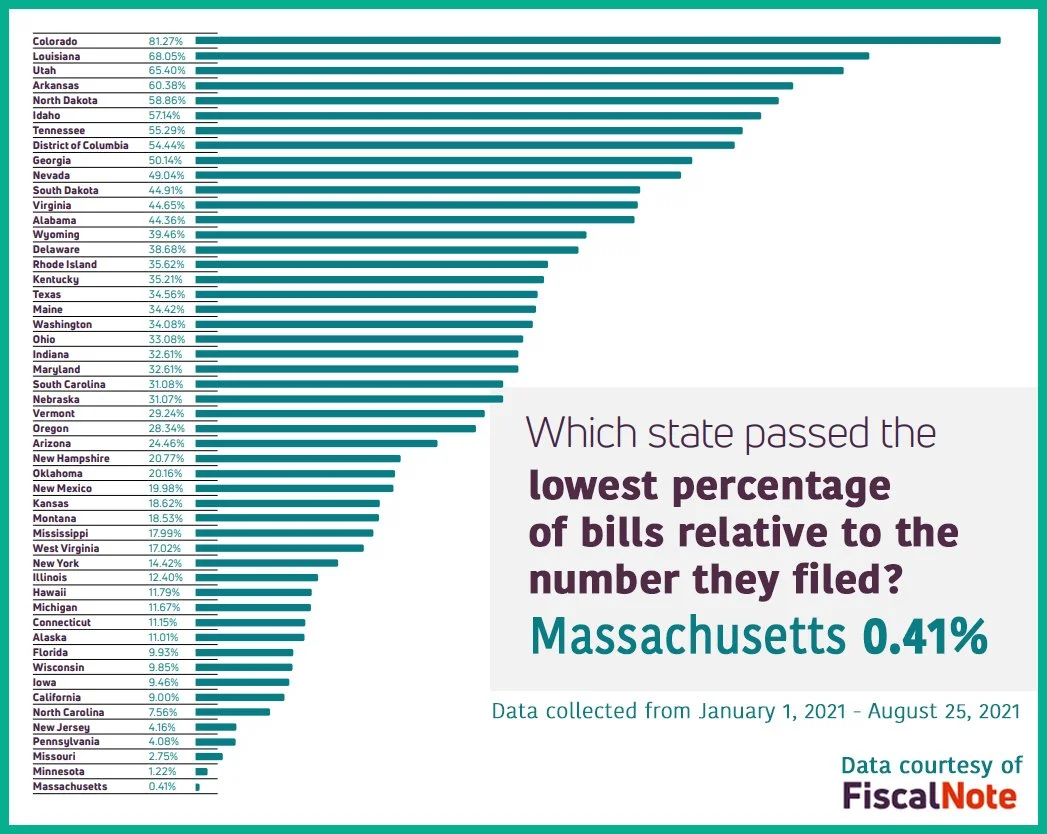
Massachusetts enacts only 0.41% of introduced bills, the nation's lowest ratio. Effective strategies for killing legislation include building organized arguments with powerful messaging, gaining support from legislative leaders like committee chairs, maintaining accurate vote counts, leveraging public opinion through polls and demonstrations, creating diverse coalitions, sharing personal testimonials, and using procedural tactics to stall bills.
Governor Maura Healey, Massachusetts' first woman governor, completed her first year by fulfilling key inaugural promises. Achievements include repurposing state land for housing, signing a $1 billion tax package with expanded renter deductions and child tax credits, launching MassReconnect for free community college, appointing MBTA leadership and a Climate Chief, and protecting reproductive rights. Healey maintains a 58% approval rating.
Effective advocacy with lawmakers requires thorough research, crafting compelling messages with real-world examples, building relationships through town halls and meetings, utilizing multiple communication channels including social media, collaborating with like-minded groups, maintaining persistence, and educating legislators on issues. MassTrac helps by tracking bills, providing customized alerts, and offering summaries to navigate the legislative process.
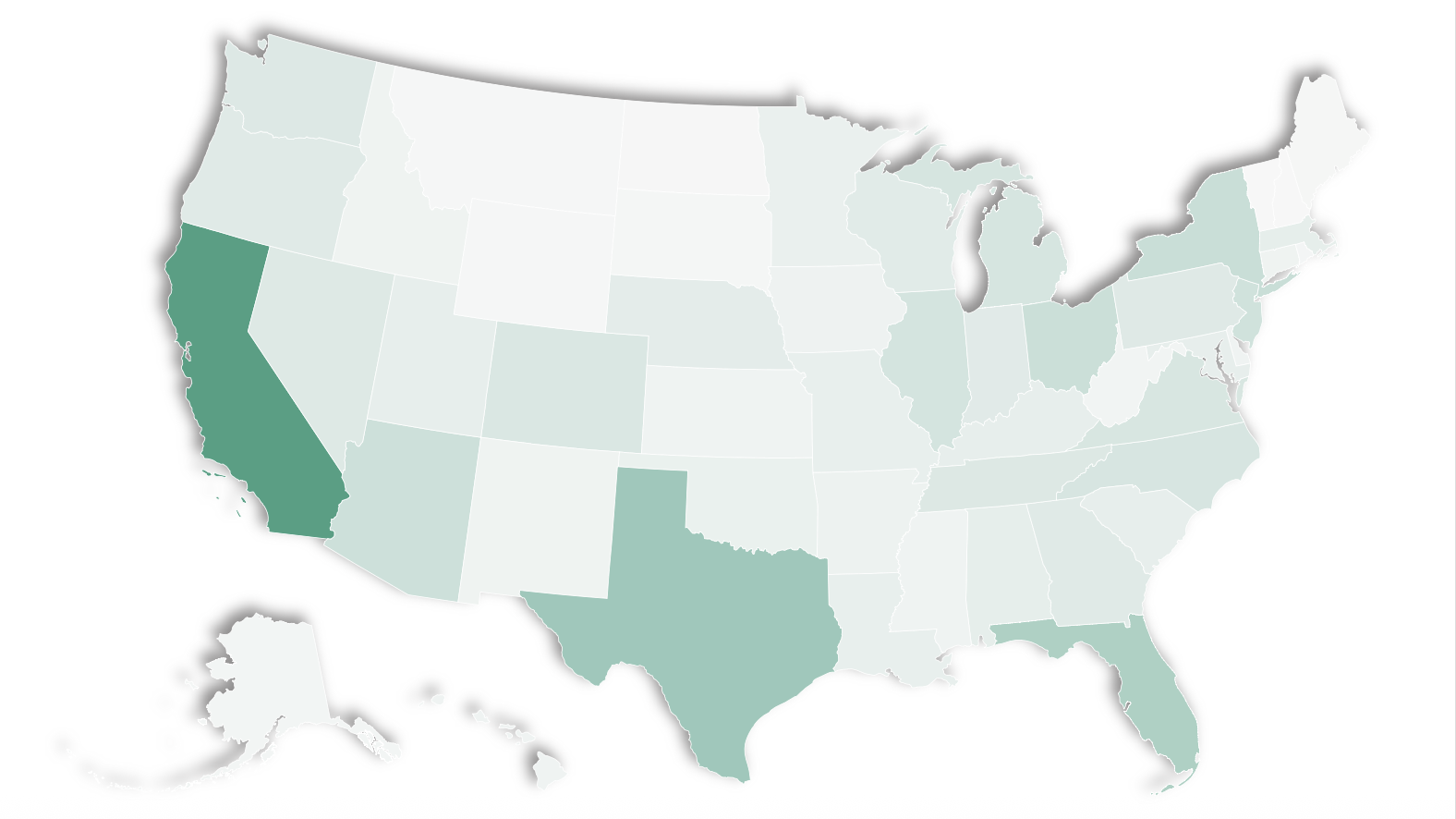
The Map of the Continental U.S. based on bills filed per session The Massachusetts legislature is nearing an end to the first half of its 2023-2024 session. Each state follows a different session schedule, which affects the bill volume...
The Joint Committee on Health Financing will hear bills establishing Medicare for All in Massachusetts on November 14th. HB1239/SB744 would create the Massachusetts Health Care Trust as a single-payer system funded by payroll and income taxes. While 71% of residents support state involvement in health equity, similar bills have stalled since 2011. The legislature will also consider SB2499, regulating drug prices and pharmacy benefit managers.
Lawyers for Civil Rights has filed a class action lawsuit challenging Governor Healey's cap on emergency shelter services at 7,500 families. Beginning November 1st, families will be placed on a waitlist when capacity is reached. The crisis has grown due to increased migrant arrivals and lack of affordable housing. Healey has proposed the $4 billion Affordable Homes Act to address housing shortages and declared a state of emergency in August.
Staying informed on policy issues requires reading current events from major media outlets, consulting academic research on platforms like JSTOR, and researching legislative history to understand past successes and failures. It's also important to examine how different parties and organizations frame issues to target messaging effectively. MassTrac provides news aggregation, bill tracking back to 1995, and access to testimony and press releases.
Representative Michael Day has introduced HD4607, updating gun reform that rewrites firearm purchasing in Massachusetts. The bill creates a "prohibited persons" category, tightens registration, updates the assault weapons ban to include AR-15s, and addresses ghost guns. Other bills propose raising the purchasing age to 21 and establishing industry accountability standards.
Building a strong government relations network is essential for organizations navigating policies and legislation. Key strategies include defining clear goals, attending government events and conferences, joining industry associations, building personal relationships with officials, utilizing social media platforms, and developing effective advocacy strategies. Networking requires offering value to contacts, staying informed about policy changes, and adapting strategies accordingly.
Governor Maura Healey will sign an executive order banning state agencies from purchasing single-use plastic bottles and directing agencies to set biodiversity conservation goals for 2030, 2040, and 2050. Massachusetts will become the first state with such a ban. The announcement comes as 432 plant and animal species are protected under the state's Endangered Species Act. Multiple bills addressing plastic reduction are currently before the legislature.
Massachusetts residents can testify virtually or in-person before State House committees on proposed legislation. Effective testimony includes introducing yourself, summarizing your stance, backing arguments with evidence, sharing personal stories, and preparing for questions. Most committees set a 3-minute time limit. Tips include arriving early, staying present during hearings, submitting written testimony, and following up with committee members afterward.
The Massachusetts legislature is focusing on health care reform in September after passing the state budget. Key hearings will address hospital funding amid $630 million federal aid cuts, the health cost benchmark, mental health care expansion, telehealth services, and ConnectorCare expansion. Bills include protections for mental health patients, digital healthcare equality, and an Executive Office of Equality to advance health equity across the Commonwealth.
InstaTrac is celebrating its 25th anniversary of serving Massachusetts legislative professionals. The company offers MassTrac for comprehensive bill tracking and analysis, VoteTrac for opposition research with voting records dating to 1986, MuniTrac for transcribing virtual municipal meetings, and MassInsider, a daily newsletter aggregating State House news and press releases.
Legislative voting patterns in Massachusetts have shifted dramatically across recent sessions. The 2023-2024 session has seen significantly fewer votes, focusing on state finance and the FY2024 budget. The 2021-2022 session prioritized COVID-19 relief and election reform with the VOTES Act. The 2019-2020 session addressed police reform amid Black Lives Matter protests.
Governor Maura Healey signed the $56 billion budget for Fiscal Year 2024 into law on August 9th. The budget increased spending by 6.2%, with a heavy focus on housing, compared to the FY2023 budget signed by former Governor Charlie Baker.A myriad of housing programs and initiatives saw a large fundin...
The Massachusetts legislature has sent a $56.2 billion budget to Governor Healey's desk, marking a 6.6% increase from FY2023. The spending plan allocates $522 million from the new millionaire tax to education, including universal free school meals and early childhood programs. It invests $477 million in transportation, with $205 million for the MBTA. The budget also funds community college nursing programs, expands financial aid to undocumented students, and reinstates renter protections.
The Massachusetts Department of Environmental Protection has issued a draft determination denying Holtec's request to release radioactive waste from the decommissioned Pilgrim Nuclear Power Station into Cape Cod Bay. The decision cites violations of the Ocean Sanctuaries Act. Legislators have introduced bills to regulate toxic waste and study environmental impacts. With Cape Cod generating $1.3 billion annually in tourism, the decision protects critical economic interests.
The movement to legalize psychedelics is gaining momentum in Massachusetts. The Massachusetts for Mental Health Options Committee has filed paperwork to pursue a ballot measure decriminalizing psilocybin for mental health therapy. Multiple bills have been introduced in the legislature, including HB1754 and HB3589, with bipartisan support. Clinical trials suggest psilocybin can treat major depressive disorder where traditional antidepressants fail, driving advocacy efforts.
Senator Cynthia Creem has introduced legislation that would make Massachusetts the first state to completely ban the sale and purchase of mobile device location data. SB148 would prohibit service providers from selling location information to third parties and require warrants for law enforcement access. The bill aims to protect vulnerable populations, including those seeking abortion care, domestic violence victims, and targets of bias-motivated attacks.
Representative Michael Day has introduced comprehensive gun safety legislation in response to the Supreme Court's 2022 Bruen decision. HD.4420 aims to combat "ghost guns," establish enhanced firearm tracing systems, and prohibit carrying in sensitive locations like schools and polling places. The bill would also require live firearm training for carry licenses and ban carrying while intoxicated. While praised by legislative leaders, gun rights advocates have criticized the proposal.
Governor Healey began her five day long trip to Ireland on Monday 6/26 and was welcomed as a "hero and a trailblazer." The trip highlighted Massachusetts-Ireland relations, honored pride month, and promoted economic development.
The committee hearing phase is the most critical aspect of the legislative process. Bills live or die once testimony is made at committee hearings. Because Massachusetts is a high bill volume state, dozens of hearings occur monthly in the spring and fall. We conducted a study dating back to 2009 measuring the number of hearings held.
"Ethics" has been a political buzzword of late; with the recent departure of U.S. Attorney Rachael Rollins and the allegations swarming around Clarence Thomas, a particularly new focus has been put on the judiciary. Rollins resigned following accusations of abuses of authority and election interference.
Last Friday, the Senate released their 1,051 amendments to the 2024 Fiscal Year budget. These amendments encompassed everything from free tuition, to an online lottery, to transportation improvements. While the House budget had 500 more amendments, the Senate's version includes more controversial proposals.
This May in the Commonwealth, and throughout the country, is Older Americans Month (OAM). Originally established by former President John F Kennedy in 1963, as a way to bring awareness to issues that older Americans face.
With debates on legislation picking up these past few weeks, testimony from various individuals and organizations has as well. While we are still relatively early into the 2023-2024 session, we have already seen quite a lot of testimony.
Last week the House released their budget amendments over the course of three days. In total, 1,566 amendments were filed by various members of the House, the most seen in the past decade.
As the 2023-2024 legislative session in Massachusetts picks up, the sheer volume of bills and steps in the legislative process can quickly become overwhelming. Given most bills are beginning the process, a refresher of how exactly a bill becomes a law could be useful. We've put together this guide covering bill filing, committee hearings, three readings, engrossment, conference committees, and the Governor's actions.

One of the most important services InstaTrac offers is our keyword search, Sapphire. The keyword search takes words or phrases and provides results under various categories like bills, legislators, news, and committees.
This week in the Massachusetts Legislature, dockets were given bill numbers and referred to various committees based on subject matter. An almost universal trend was a decrease in the number of bills referred to committees this session. Last session averaged 272 bills referred to committee, this session only saw an average of 202 bills. The Joint Committee on Judiciary leads with 696 bills referred this cycle.
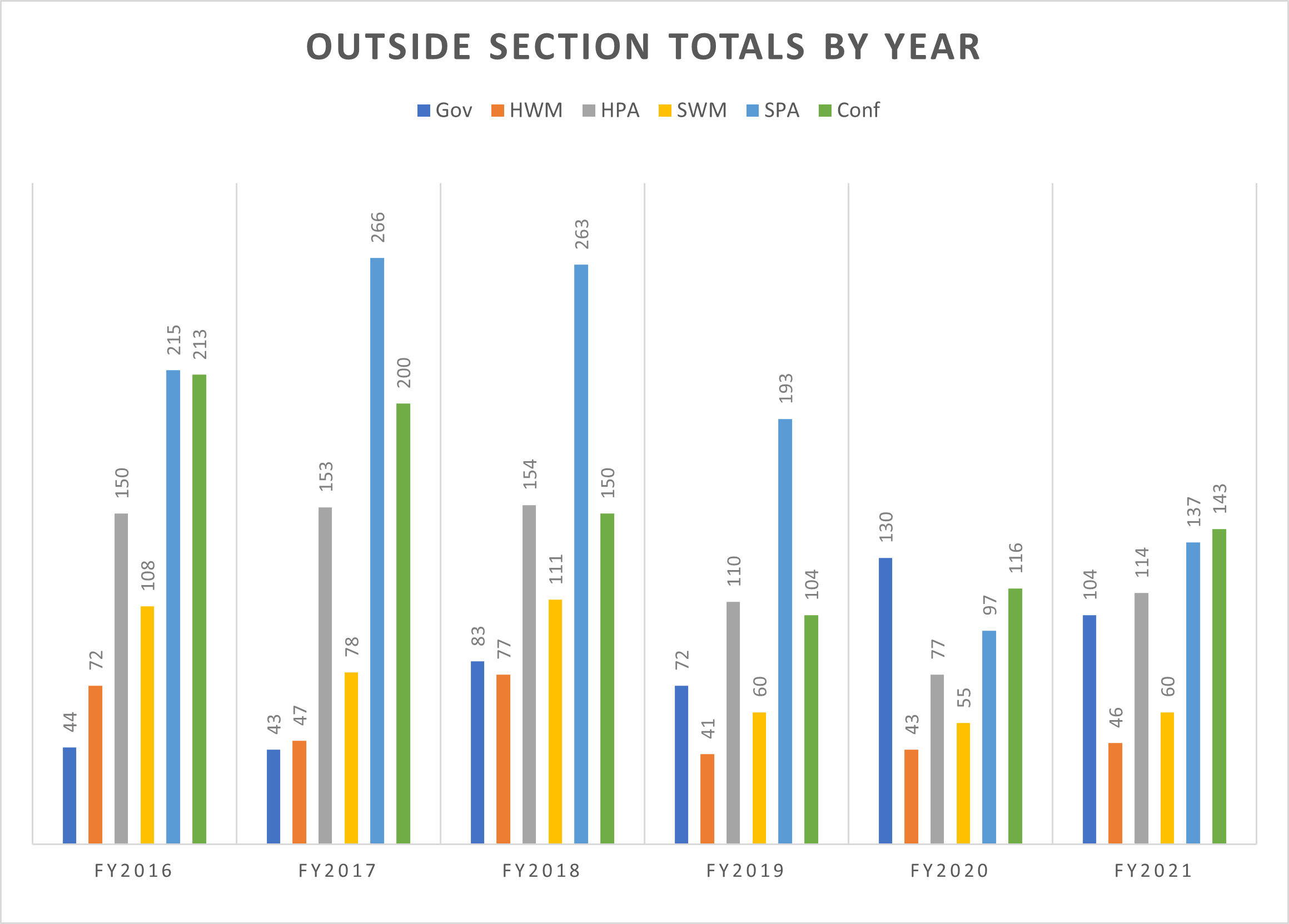
Last week we discussed Governor Healey's budget bill for the 2024 fiscal year. In conjunction with that analysis, we have done a deep dive into budgets dating back to fiscal year 2015. Our analysis examines amendments, outside sections, earmarks, and amounts proposed per chamber. This research highlights recent budget trends and analyzes how the budget has evolved over recent years.
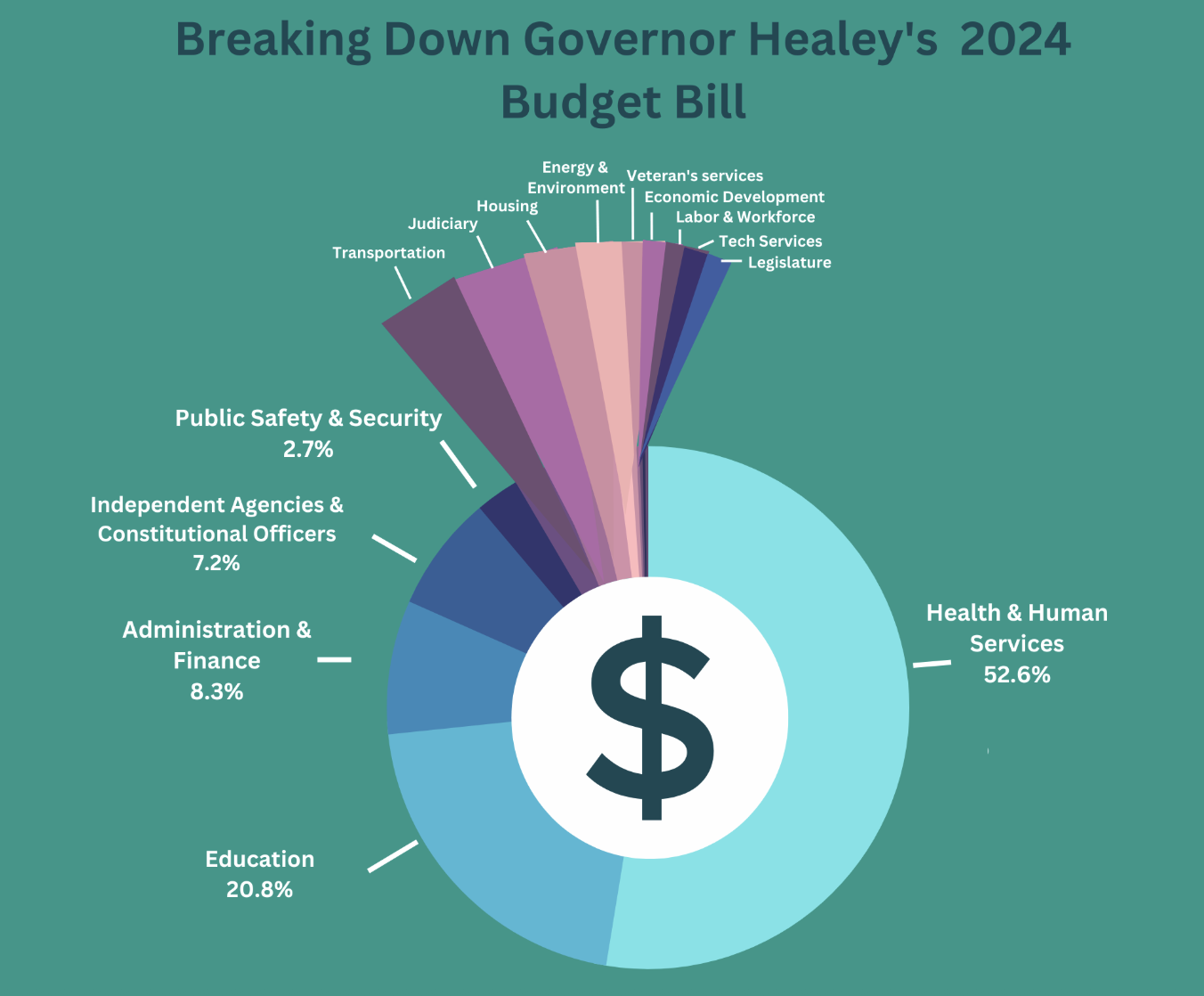
Governor Healey unveiled her $55.5 billion state budget for the 2024 fiscal year, a $7.4 billion increase from 2023. The budget sees major increases in funding for education, transportation, housing, and healthcare. With additional revenue from the Fair Share Amendment, significant funds are allocated to local aid, tax relief, and social programs across the Commonwealth.
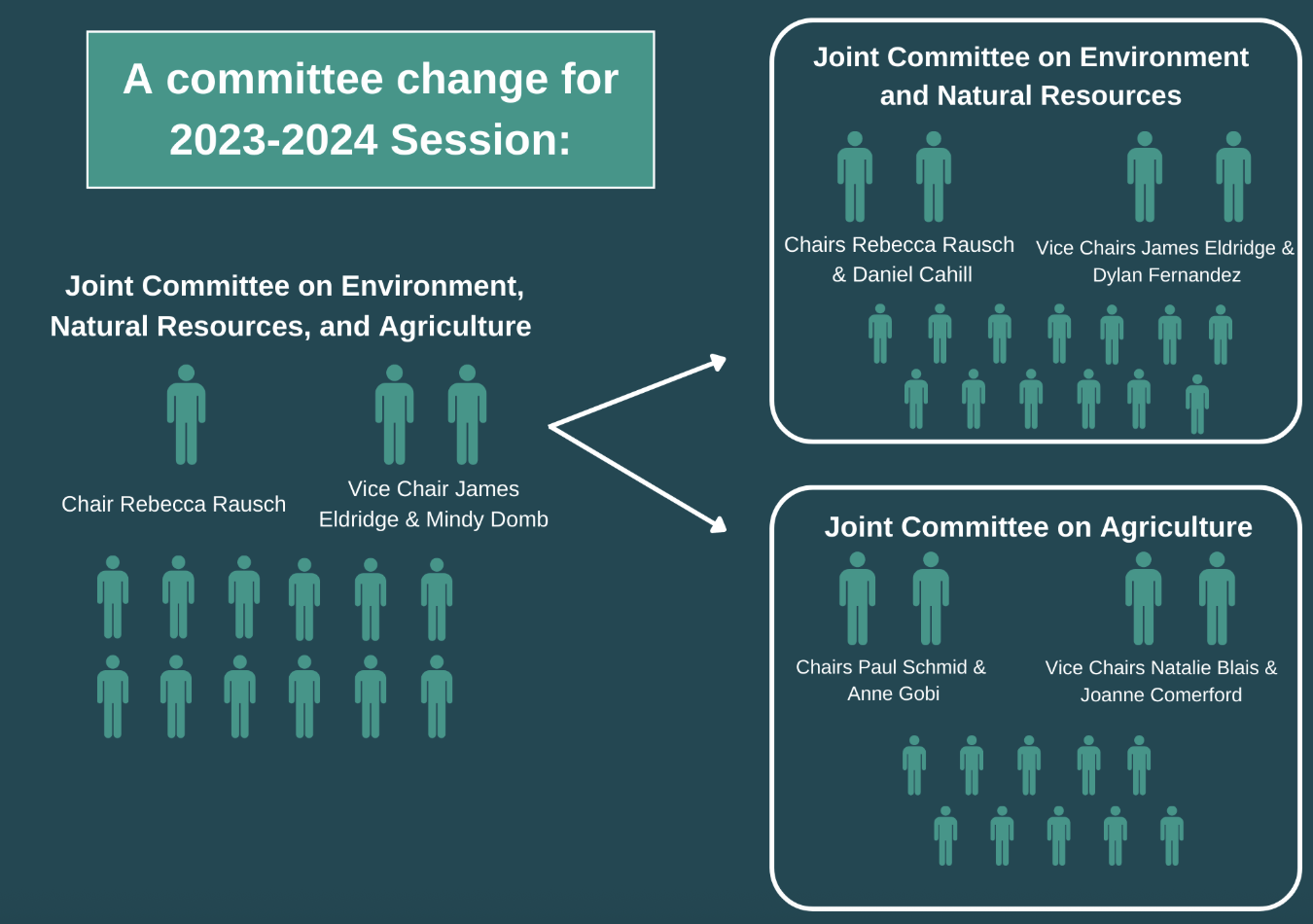
Last week, House leadership and committee assignments were released, unveiling some major changes amongst government leadership positions. Committees are essential to the success of the legislative process as they allow members to gain insight from stakeholders on relevant issues.
Most of us are familiar with the usual bills introduced to the legislature - serious political actions revolving around economic issues, public health, and safety. Though these constitute the majority of the bills introduced, there are a handful of bills each session that are a bit more lighthearted.
Learn more about our new service for municipalities.
Learn more about how MassTrac takes video and turns it into searchable, clickable transcripts.
Meet Mary and Bob. Mary has MassTrac… and Bob doesn’t.
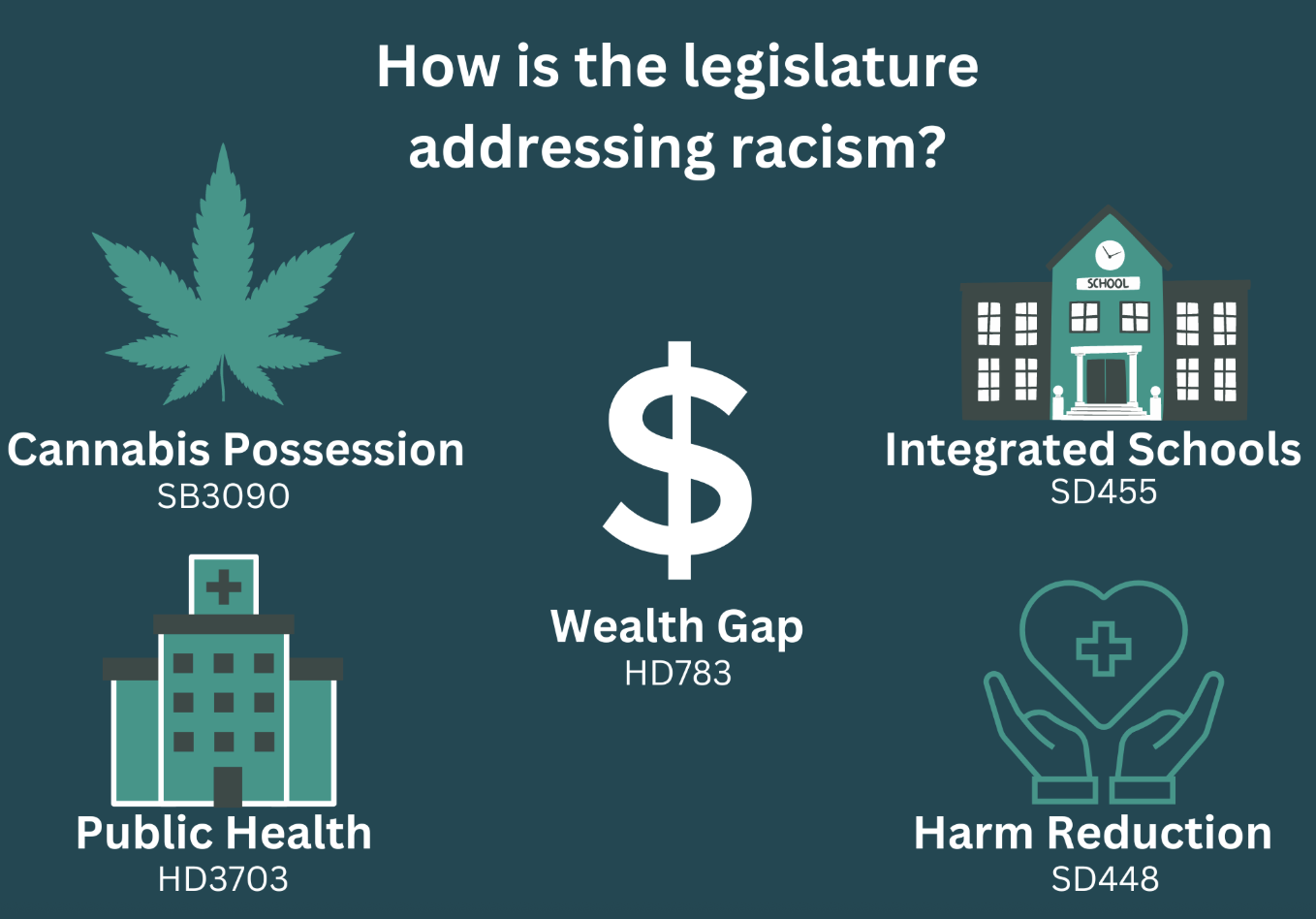
This February, the nation celebrates Black History Month. While it is important to honor all of the work that has been done to create a more equitable society, it is also necessary to highlight the work that still needs to be done. Within the Commonwealth, there have been great strides made in racial equity through legislation addressing harm reduction, cannabis equity, the racial wealth gap, public health disparities, and school segregation.
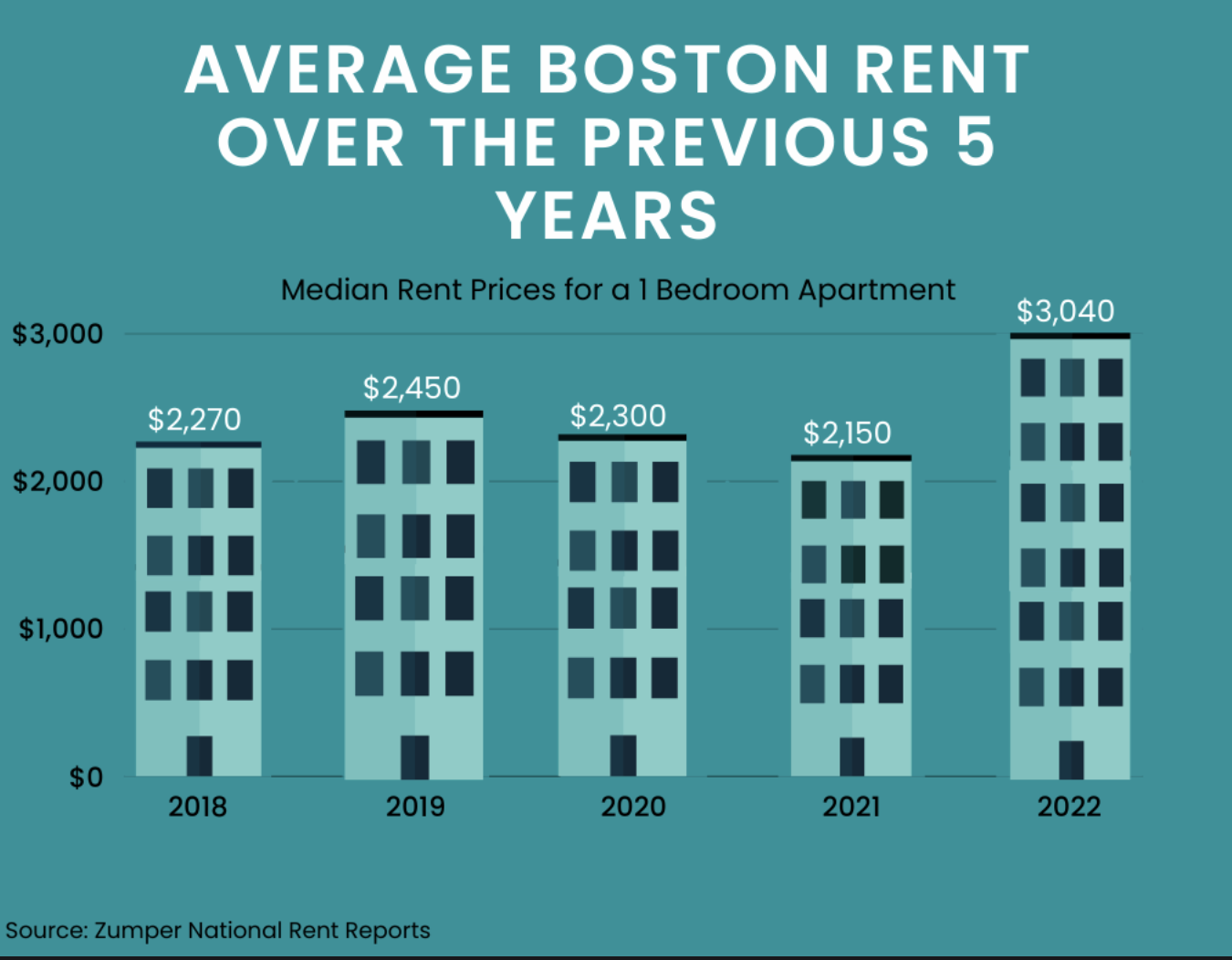
Boston rents reached record highs in 2022, making it one of the most expensive rental markets in the country and intensifying focus on housing policy in Massachusetts. Mayor Michelle Wu has proposed rent stabilization tied to inflation with limits on annual increases and tenant protections, while Governor Maura Healey has prioritized housing through a new cabinet-level secretary and major funding initiatives. Several state bills also aim to cap rent increases and expand tenant protections.
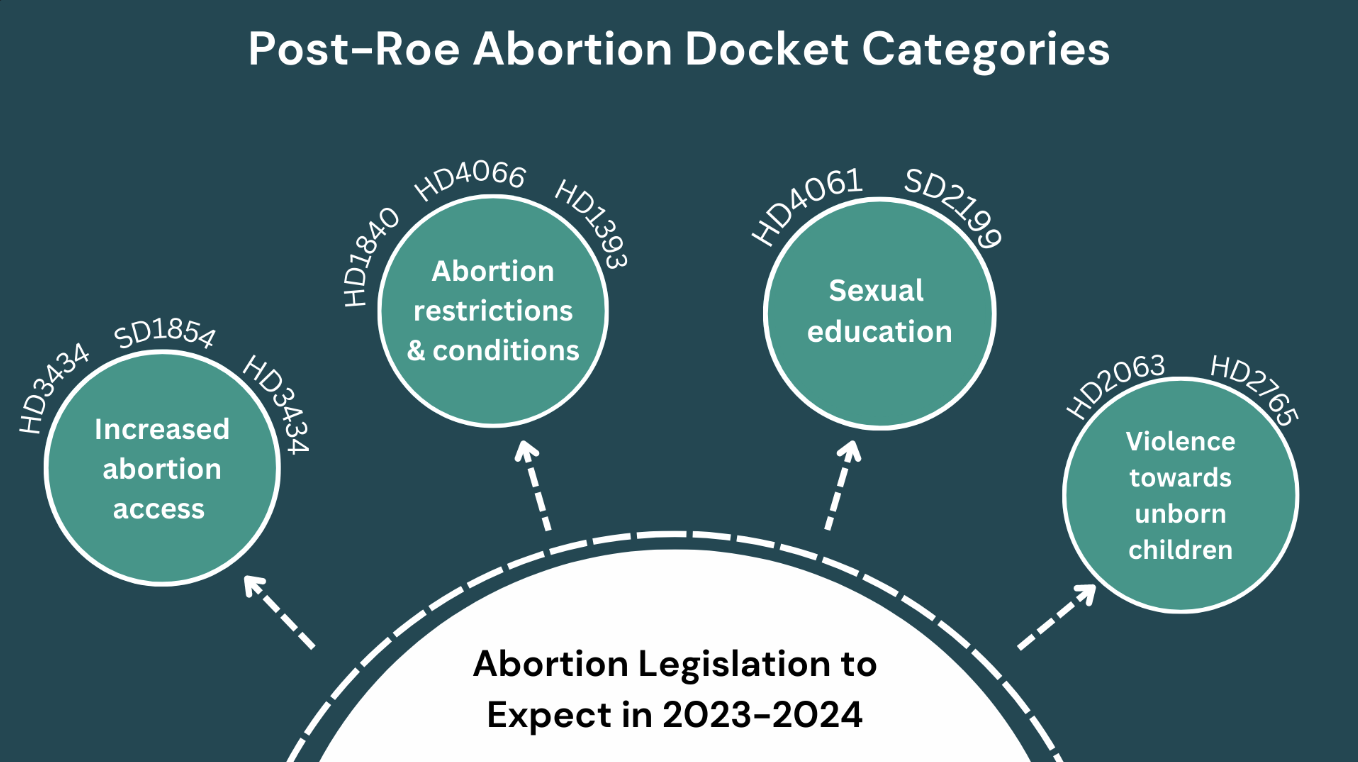
After the overturning of Roe v. Wade, Massachusetts lawmakers introduced 23 abortion-related bills in the 2023–2024 session. The proposals include measures expanding access to reproductive healthcare, such as improved consent forms, incarcerated care, and university planning requirements, alongside bills adding new restrictions and conditions on abortion. Other filings address sex education standards and reporting, reflecting ongoing debate over access, regulation, and education policy.
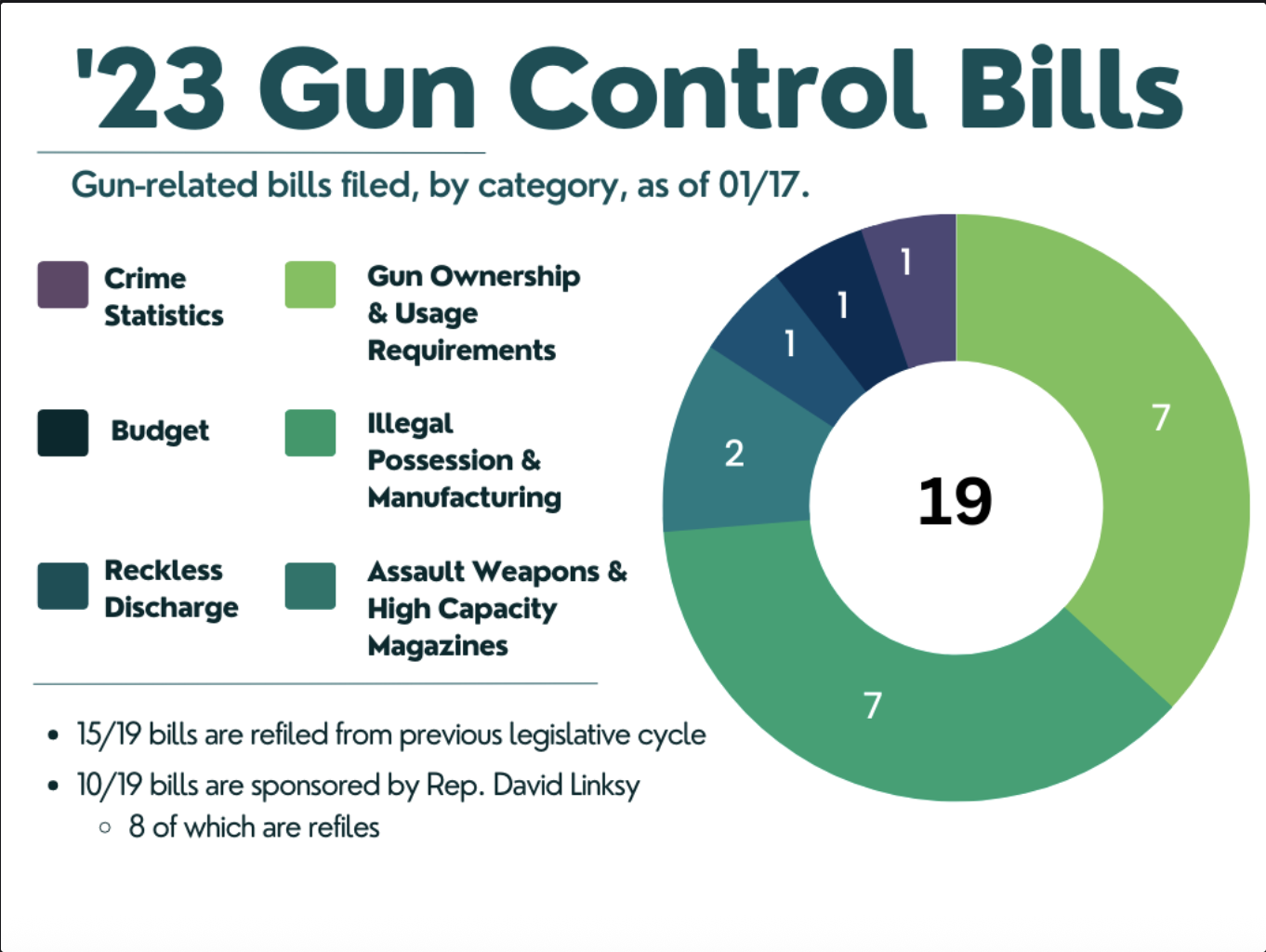
The 2023–2024 Massachusetts legislative session opens with a renewed push on gun control, as 19 bills are filed in just two weeks, most carried over from prior sessions. Led heavily by Rep. David Linsky, proposals target ghost guns, firearm sales limits, industry liability, and new eligibility rules. Many of these measures previously stalled in committee but are now being revisited amid shifting political control, setting up another major debate on gun policy in the Commonwealth.
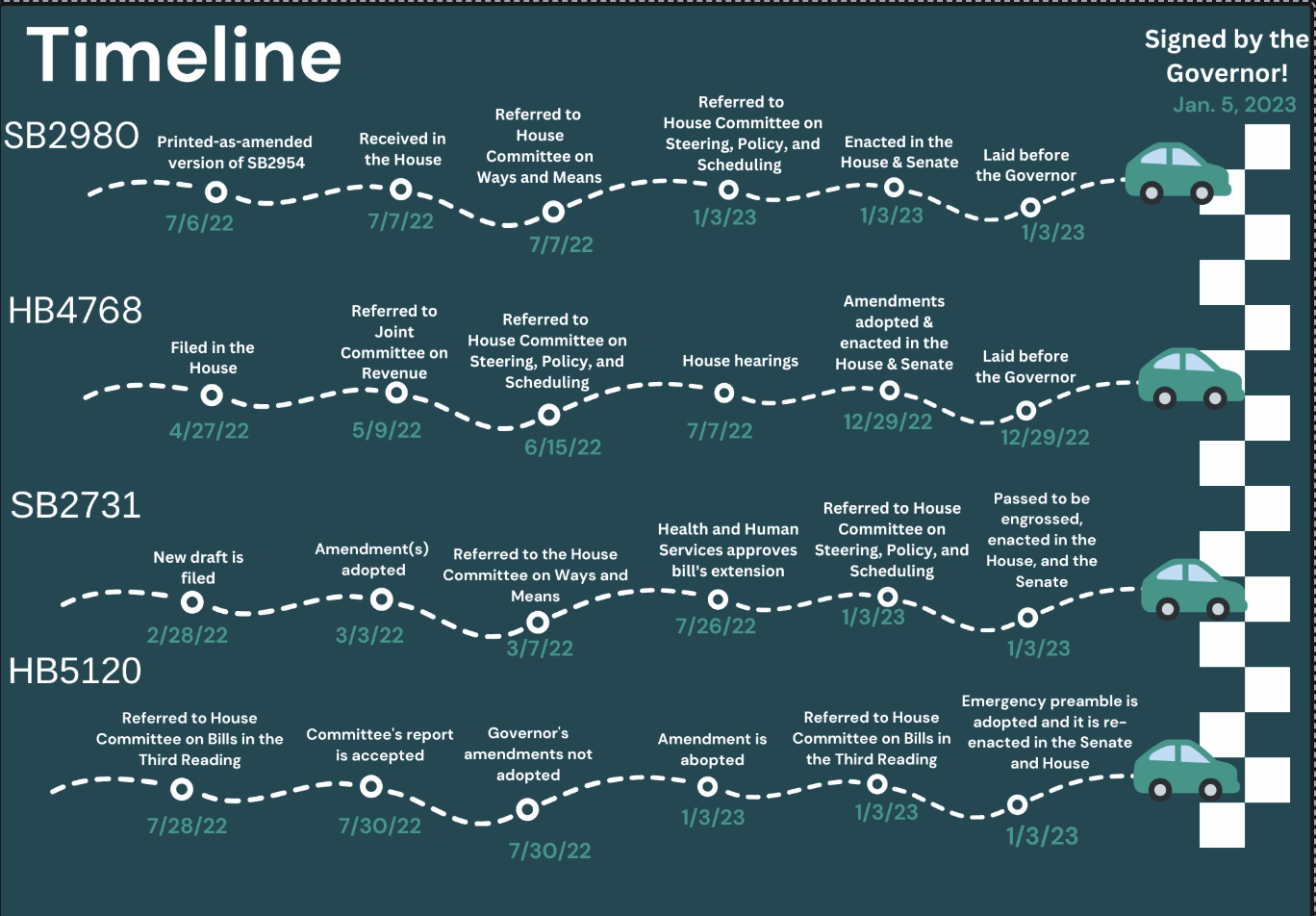
As the 2021–2022 Massachusetts session ended, dozens of bills reached Gov. Charlie Baker’s desk for final approval. Many were delayed by amendments, committee debate, or federal approval requirements.
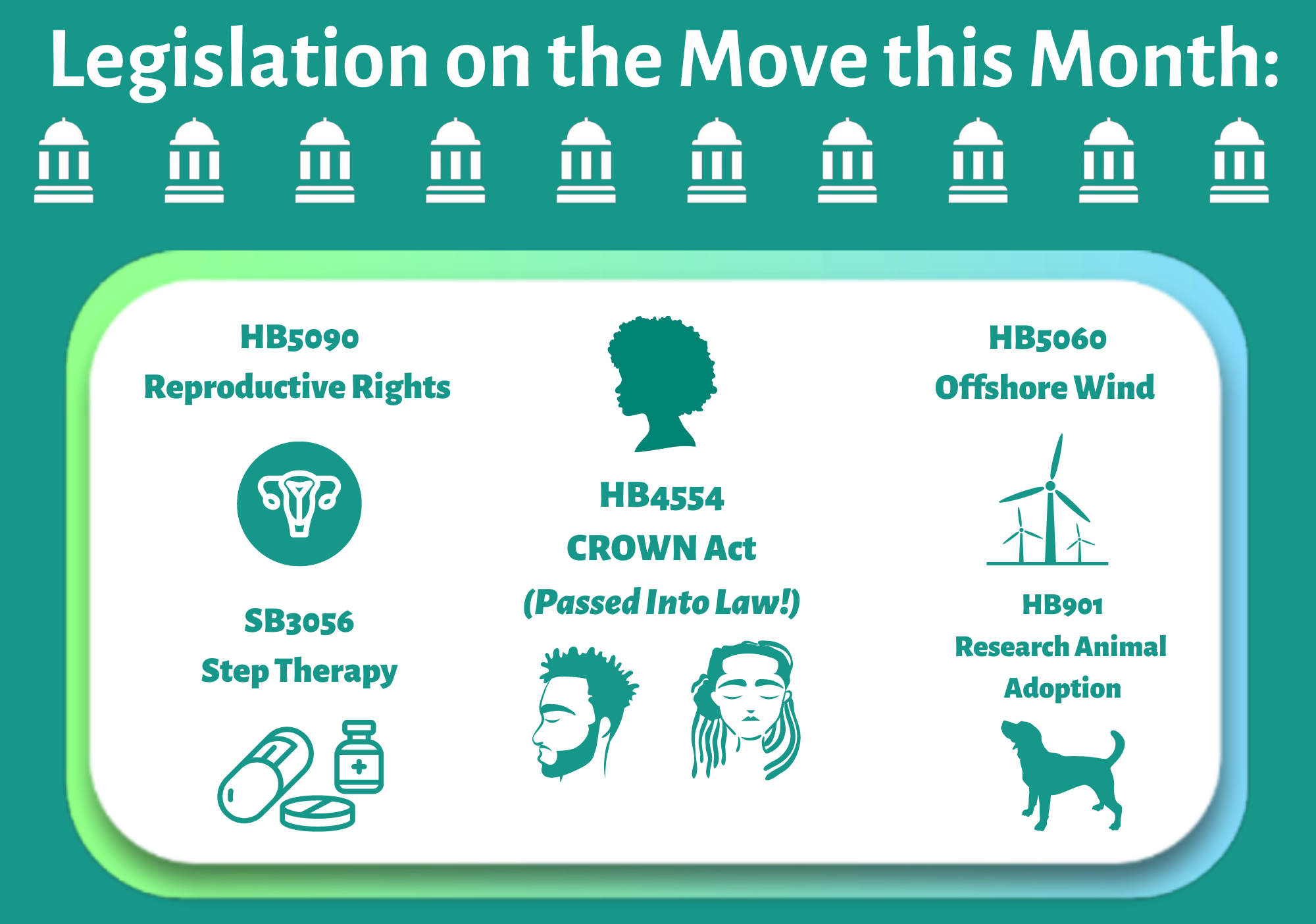
As the 192nd Massachusetts legislative session nears its close, lawmakers are rapidly advancing major bills that will soon become law. Key measures include HB5090 expanding protections for reproductive and gender-affirming care, HB5060 promoting clean energy and offshore wind, and HB5046 strengthening gun safety rules. Other recent laws include the CROWN Act banning hair discrimination, plus reforms on animal adoption and step therapy in health insurance.
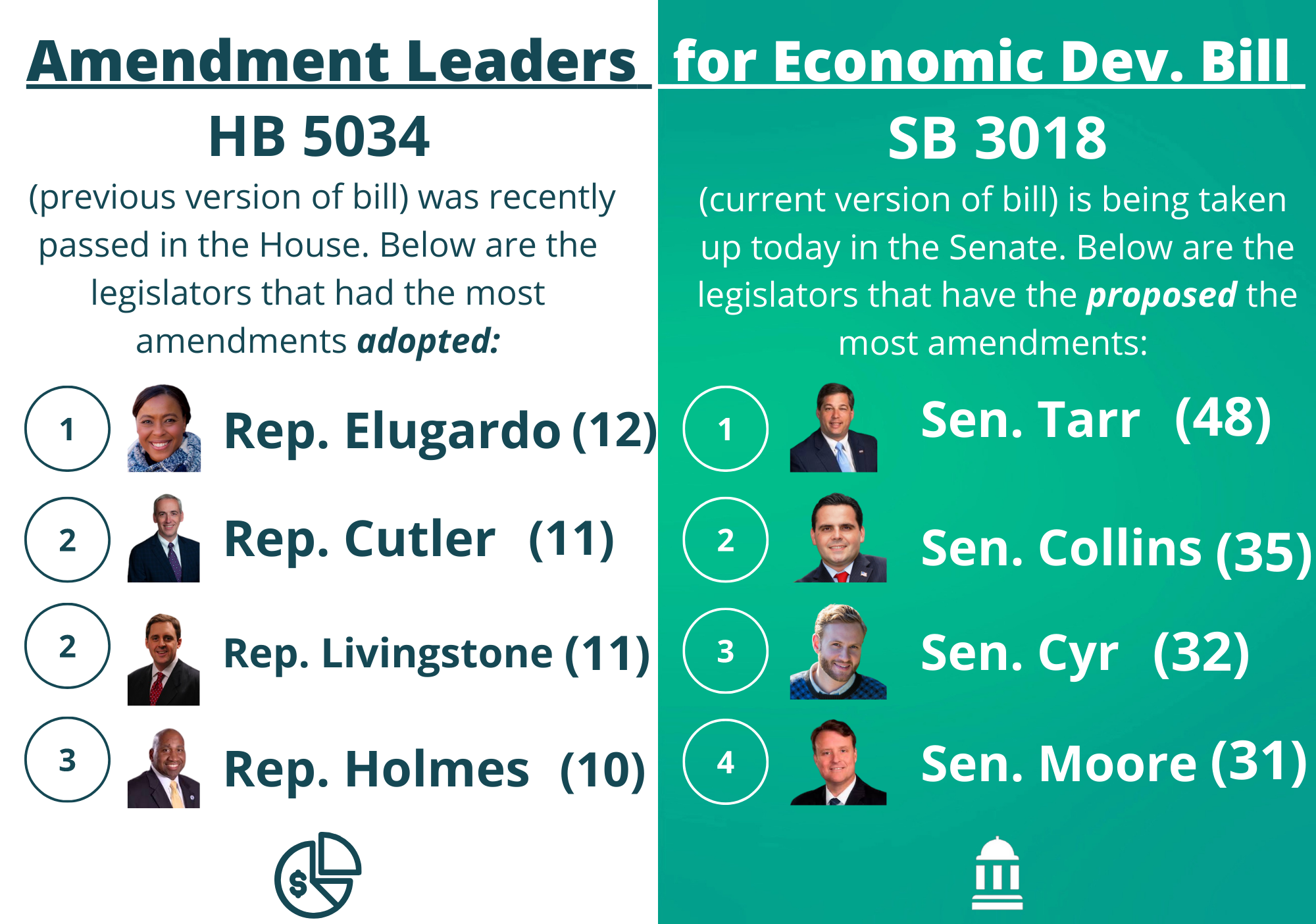
Massachusetts lawmakers advanced the FY23 budget (HB5050) and economic growth and relief bill (SB3018), totaling over $57B in proposed spending and aid. After months of committee work and hundreds of amendments, both measures moved through final legislative stages ahead of the session deadline. Key provisions include expanded health funding, disability services, and policy changes like free inmate calls and child marriage restrictions, highlighting a fast-paced end to the session.
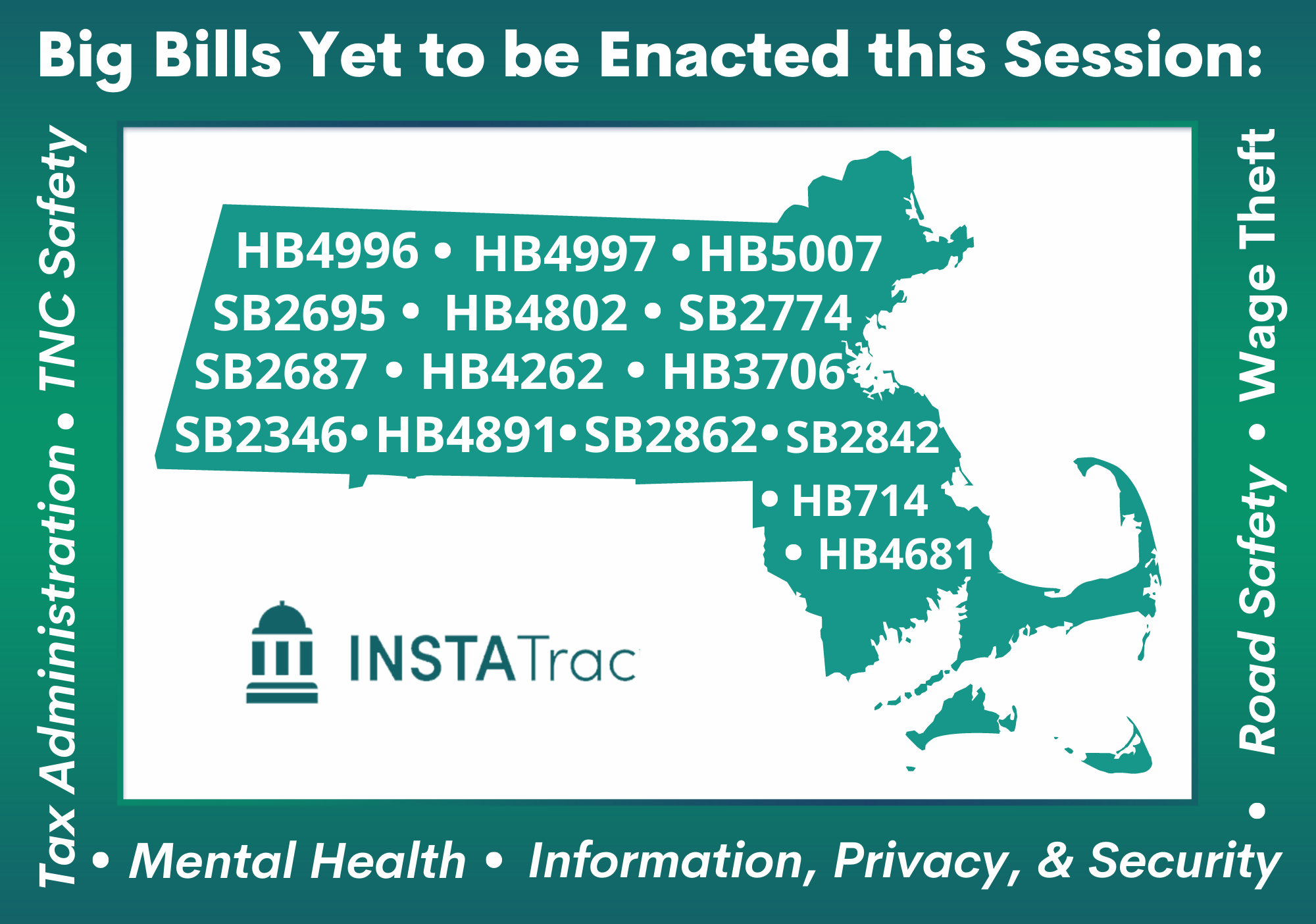
As the 192nd Massachusetts legislative session nears its end, over 1,000 bills remain in committee, including several major “big bills” involving spending, healthcare, transportation, and economic policy. Many are stalled in Ways & Means or conference committees after moving through joint committees. While some funding bills advance quickly, issue-focused legislation often lags or carries into the next session, making final passage uncertain before the deadline.
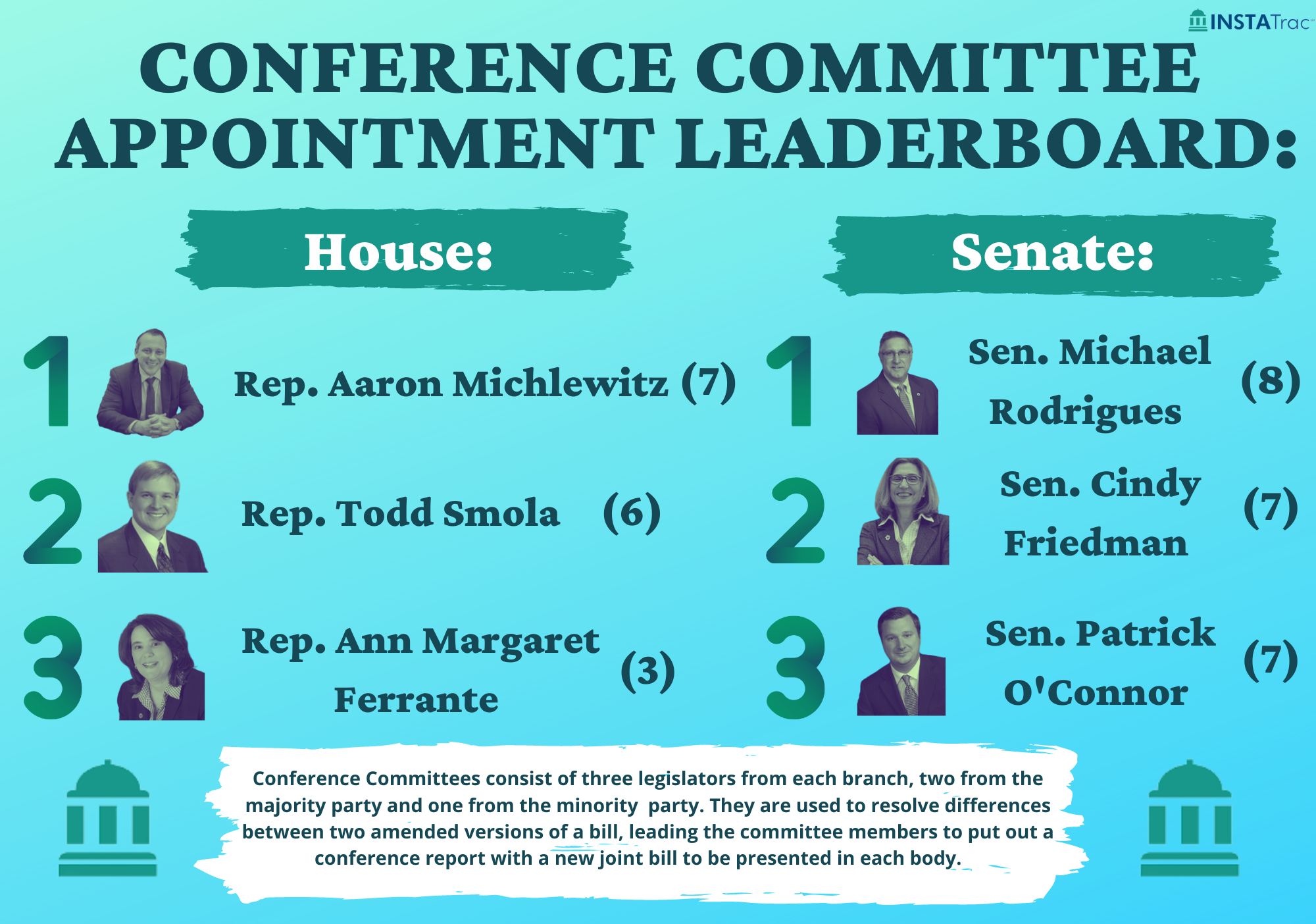
Conference committees in Massachusetts reconcile differences between House and Senate versions of major bills. Each includes three members from each chamber and produces a final report that cannot be amended before final votes. In 2021–22, only a minority of legislators served on these committees, with leadership typically appointing experienced members. They are most often used for budget and spending-related legislation and remain a key step in finalizing complex or divided bills.
Massachusetts’ 2022 Governor’s Council races play a key role in approving judicial appointments, pardons, and executive decisions. This analysis covers the 3rd, 5th, and 8th districts, featuring incumbents and challengers with backgrounds in law, public policy, and local government. The 8th District stands out as an open seat with five candidates, while other districts feature long-term incumbents facing challengers in competitive but often low-profile races.
Massachusetts’ 2022 House open seat elections are shaped by redistricting and incumbent retirements or runs for other offices, creating 20 competitive races. Key districts include 4th Essex, 8th Hampden, and 19th Worcester. Candidates range from city councilors and former legislators to community advocates and business leaders. While most are Democrats, some independents and Republicans are also in the mix, making these races important for the future makeup of the legislature.
Massachusetts’ 2022 elections include several open State Senate seats due to retirements and candidates seeking other offices. Key districts include Berkshire/Hampden/Franklin/Hampshire, 1st Essex, 2nd Suffolk, Hampden/Hampshire/Worcester, and 1st Worcester. Candidates range from current legislators to local officials and community advocates, with most identifying as Democrats. The races highlight shifting districts, varied backgrounds, and competitive local dynamics shaping outcomes.
The Massachusetts Democratic Convention in Worcester highlighted key 2022 primary dynamics, with no legislative candidate securing a majority endorsement. Delegates showed strong support for Maura Healey for governor, Kim Driscoll leading the LG race, and closely contested battles in auditor and attorney general contests. Results also reflected delegate concentration and internal party divisions ahead of the primary election.
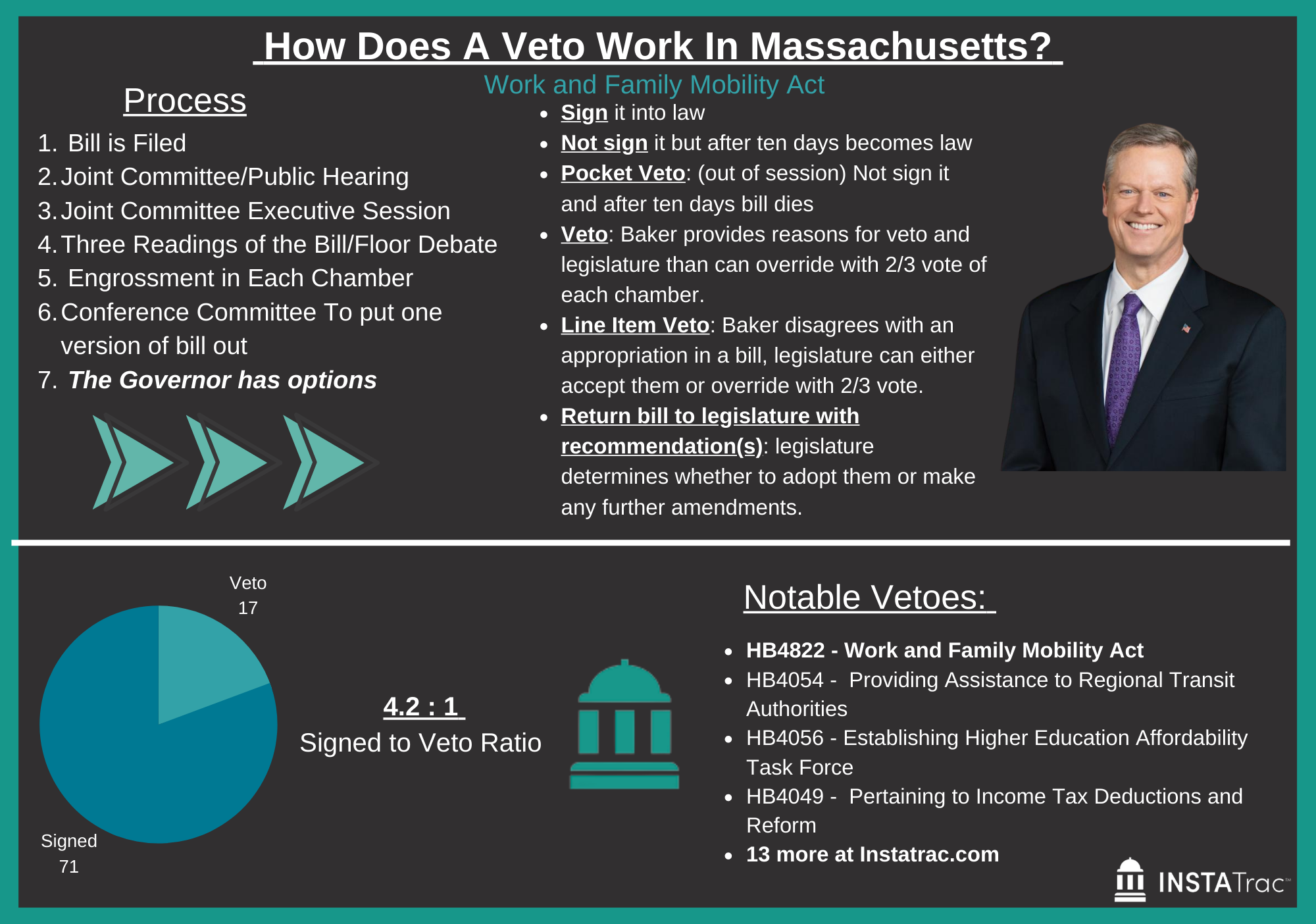
Massachusetts governors have strong veto powers, including general, line-item, and pocket vetoes. This analysis of Governor Baker’s actions shows how he has signed 71 bills, issued multiple vetoes, and selectively used his authority on issues like taxes, programs, and major policy reforms. Most vetoes were overridden by the legislature, highlighting ongoing tension between the executive and legislative branches in shaping state law.
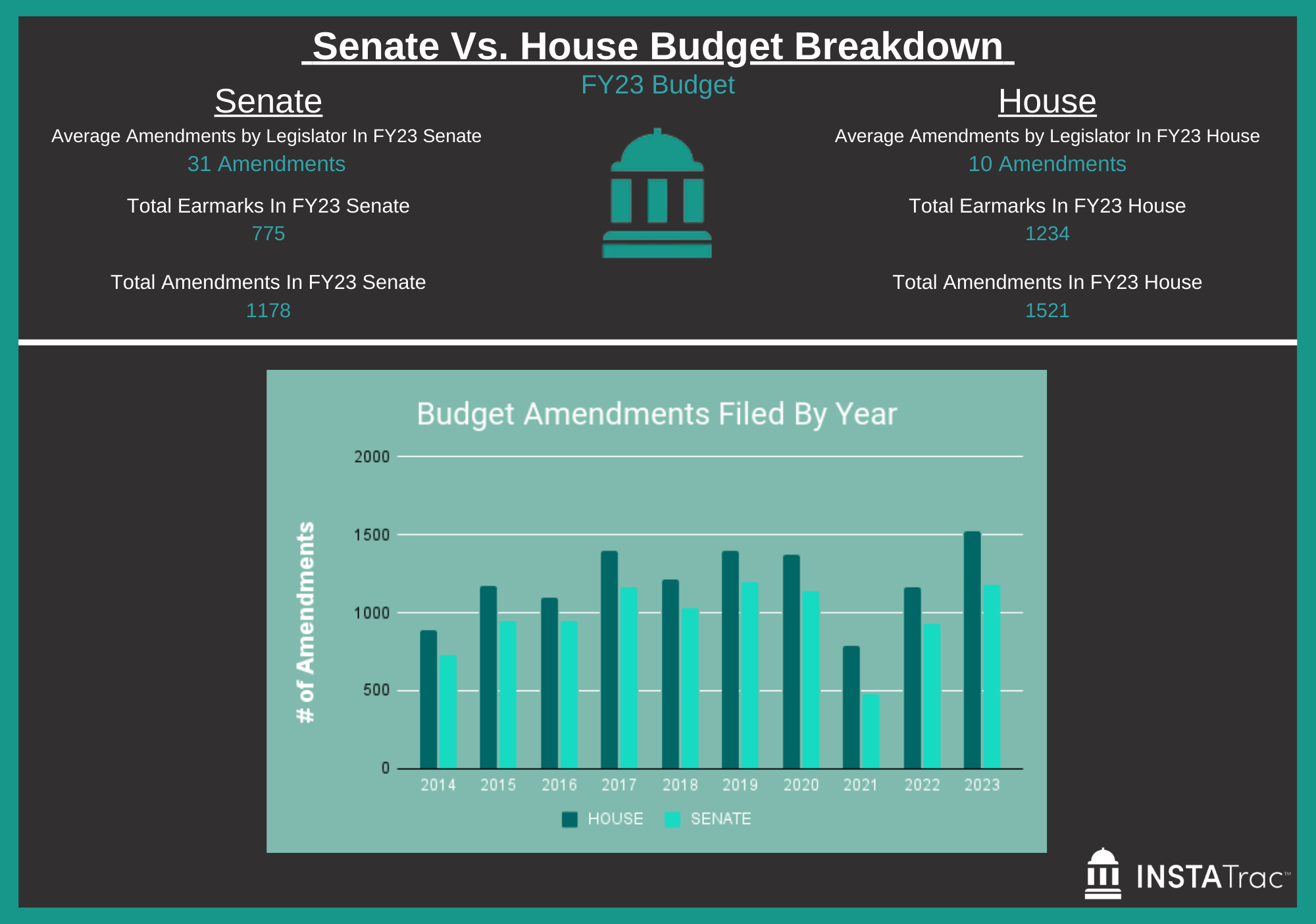
Over the past month and a half in Massachusetts, the primary focus for the state legislature has been to draft and pass a proposal for the FY23 budget. This year’s budget process has invoked intense debate in both the House and Senate, with deliberations likely concluding in the Senate today. While each proposed FY23 budget allocates practically the same allotment of around $49.6 B, the budgets themselves differ in a number of ways. Looking at our data from this year as well as the past decade,...
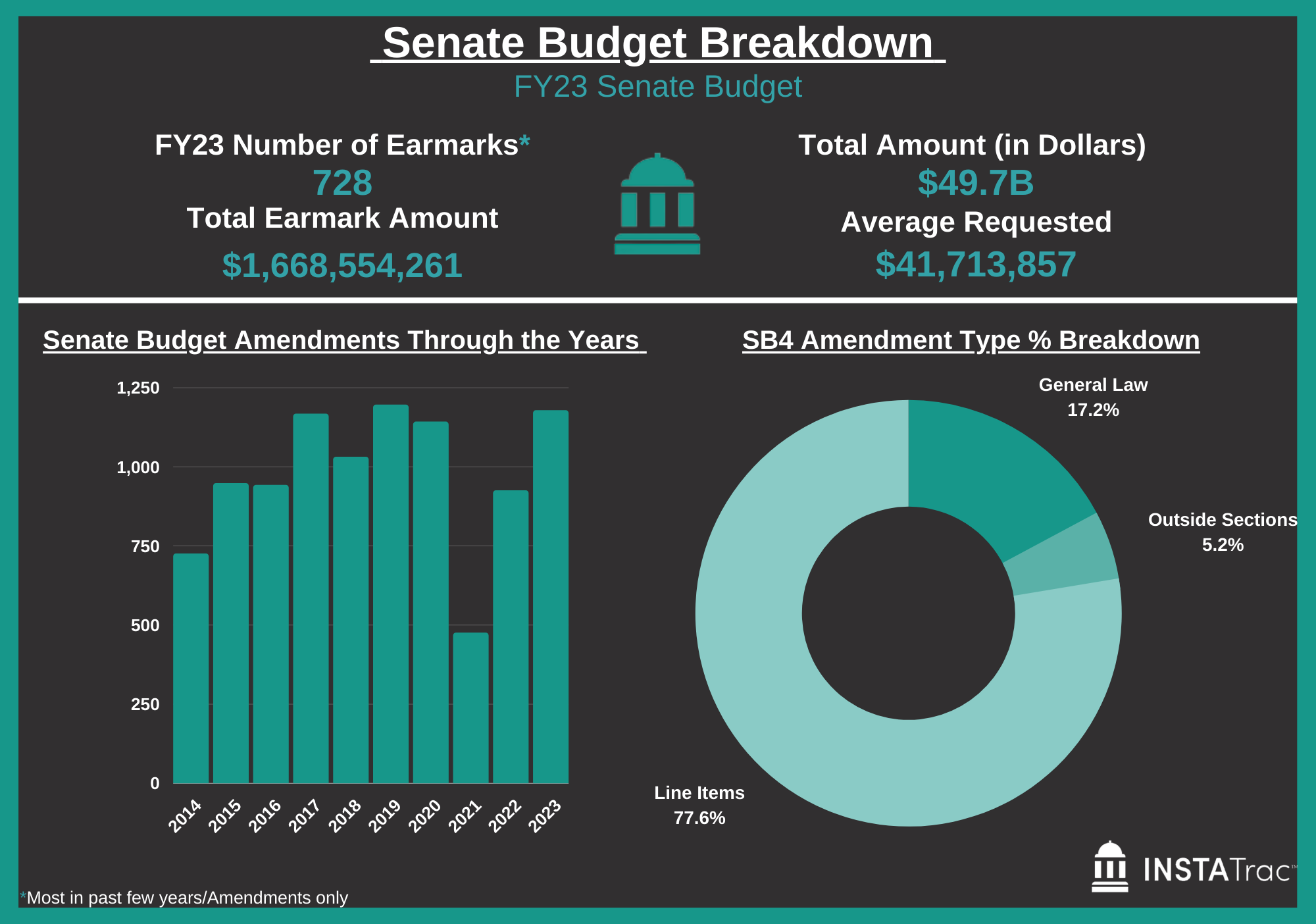
The Massachusetts Senate released 1,178 amendments to its FY23 budget (SB4), totaling $49.7B. The proposal reflects a decade-high in legislative activity, with 77.7% of amendments focused on funding changes. While similar in size to the House budget, it differs in key areas like free school lunches and tax cuts. With competing priorities and record amendments, final negotiations will shape the outcome of this $49.7B spending plan.
Following the leaked Supreme Court draft overturning Roe v. Wade, abortion access has become a key national issue. In Massachusetts, protections are already codified under the 2020 ROE Act, but legislators continue to file bills to expand access, including on public college campuses. Despite strong protections, advocates warn access gaps remain, making state policy and pending legislation critical to reproductive healthcare availability.
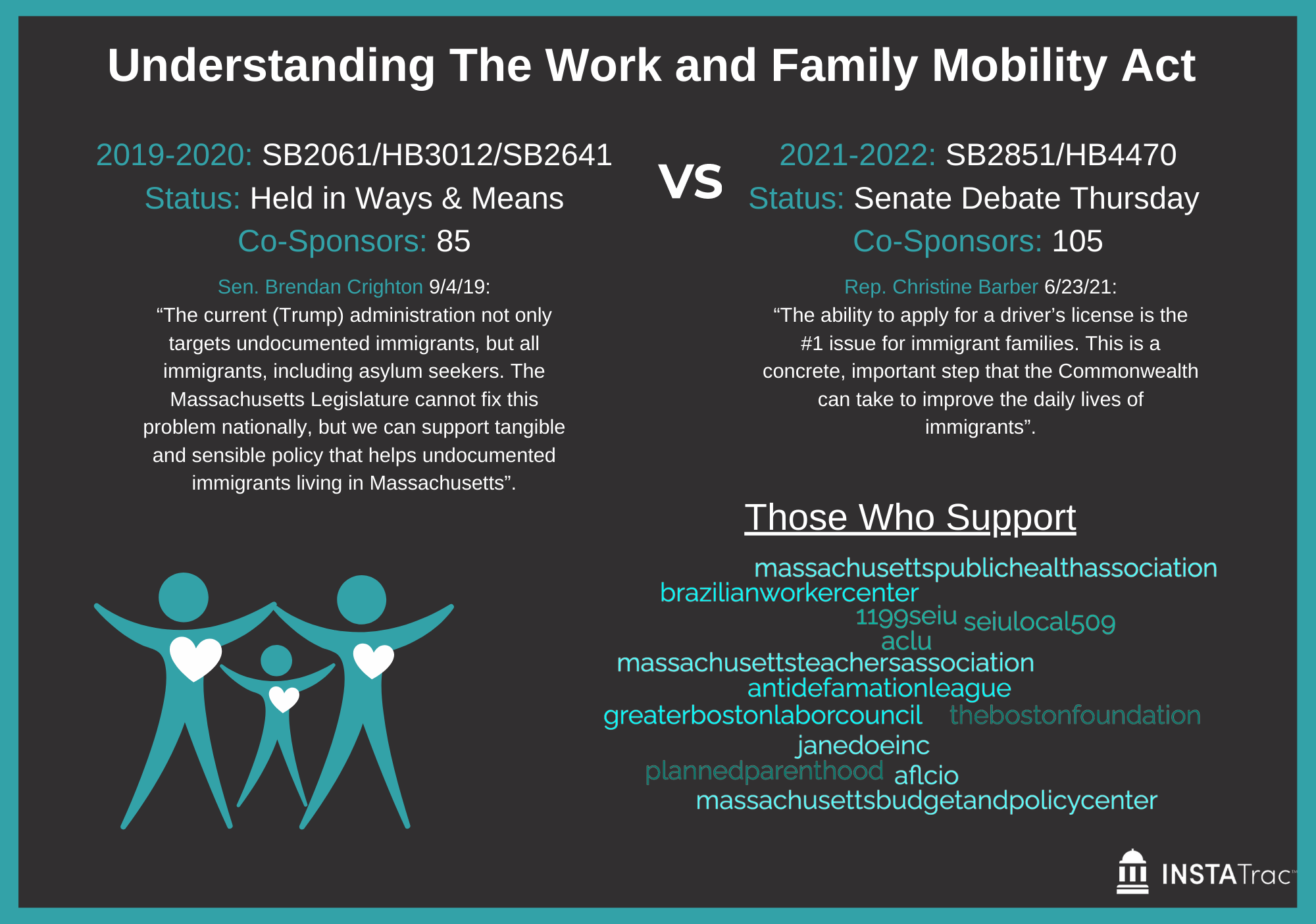
The Massachusetts Senate is debating SB2851, the Work and Family Mobility Act, allowing undocumented immigrants to apply for driver’s licenses. The bill has a long legislative history, strong support from Democrats, and opposition from Republicans over safety and registration concerns. With 25 amendments filed, today’s debate could reshape the final outcome and set up a major policy fight ahead of the next election cycle.
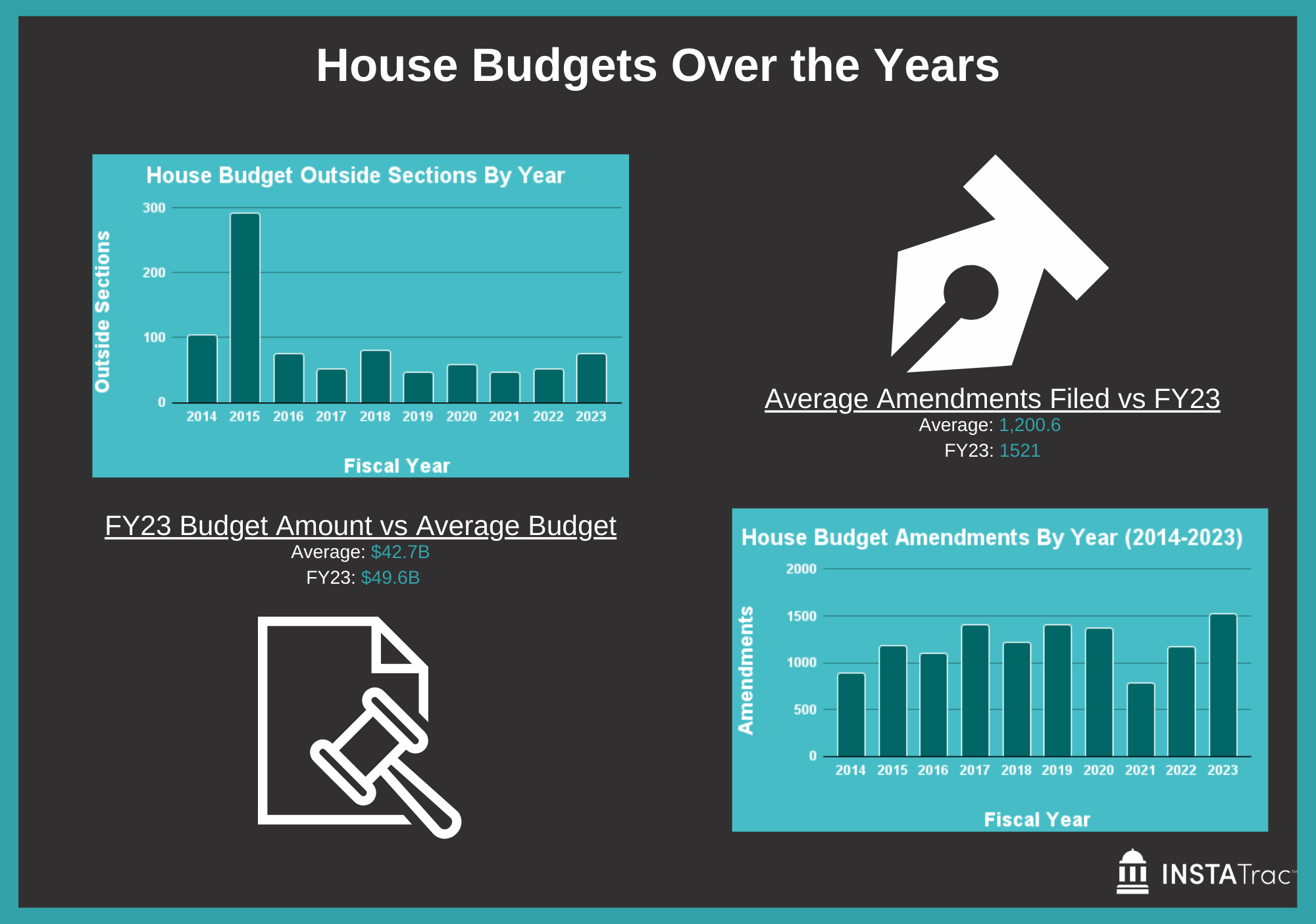
From fiscal year 2014 to fiscal year 2023, there have been many differences between each budget in the Massachusetts House of Representatives. This is in part due to administrative and legislative changes, but also because of the changing needs of the Commonwealth over the past ten years. As debate concluded yesterday evening in the House on the amendments included in the 2023 appropriations act, our data from the last ten years reveals some interesting trends worth noting.
The Massachusetts House released 1,521 FY23 budget amendments (HB4700), a 30% increase over FY22. Of these, 70.5% were earmarks funding specific programs or recipients. While total amendments rose, earmark levels stayed steady year-over-year. Lawmakers also filed more amendments on average, with several submitting 18+ each, highlighting increased legislative activity and competition to shape the final budget.


When we think of budgets, we know they’re supposed to be limited to appropriations. But in Massachusetts, we also know that’s not always the case. Budget season has arrived in the Commonwealth - and with it, thousands of amendments will be coming down the pipeline. MassTrac makes it easy to dig through earmarks, outside section changes, and even General and Session Law changes proposed through the budget process.
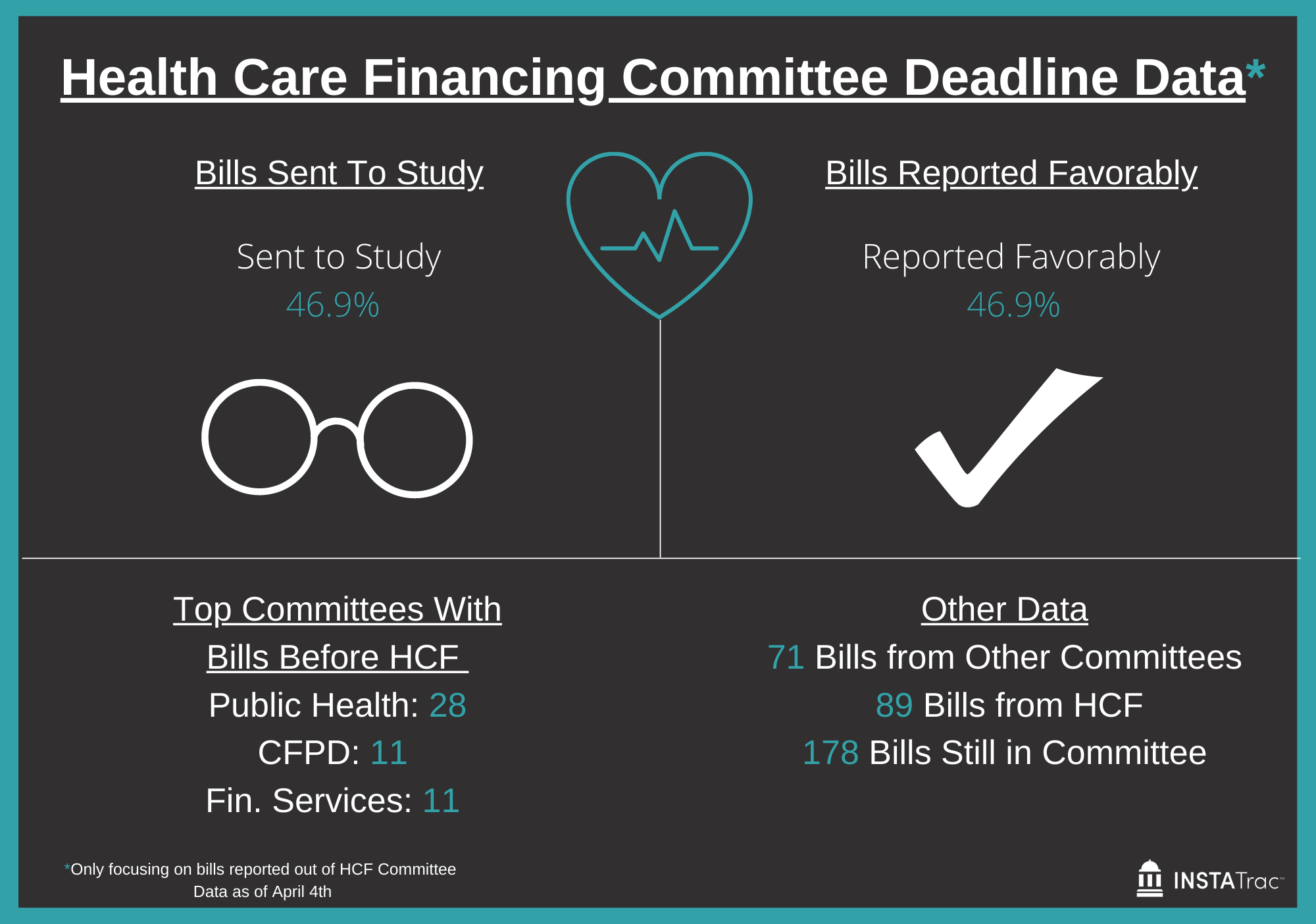
Massachusetts joint committees typically face a Feb. 2 reporting deadline, but the Joint Committee on Health Care Financing (HCF) had until March 30. Our data shows HCF handles high-volume, cross-committee legislation and has unique patterns in reporting, studying, and advancing bills compared to other committees.
By now you have undoubtedly noticed the rising price of gasoline here in the Commonwealth, and in fact, across the US. To help people with this unexpected cost, several states, including Georgia, Maryland and most recently Connecticut instituted a gas tax holiday period. During the month of March, debate over instituting a gas tax holiday period took center stage in Massachusetts, leading to passionate remarks, especially in the Senate.
Learn more about the three Democratic candidates actively vying for the open lieutenant governor position in this year’s 2022 Massachusetts general election: Senator Adam Hinds, Senator Eric Lesser, and Representative Tami Gouveia.
Discover how to get accurate, searchable Massachusetts committee transcripts, including committee hearing and floor session transcripts — instantly generated with T2T talk-to-text technology from MassTrac. Learn how searchable transcript text helps you find keywords and moments fast.
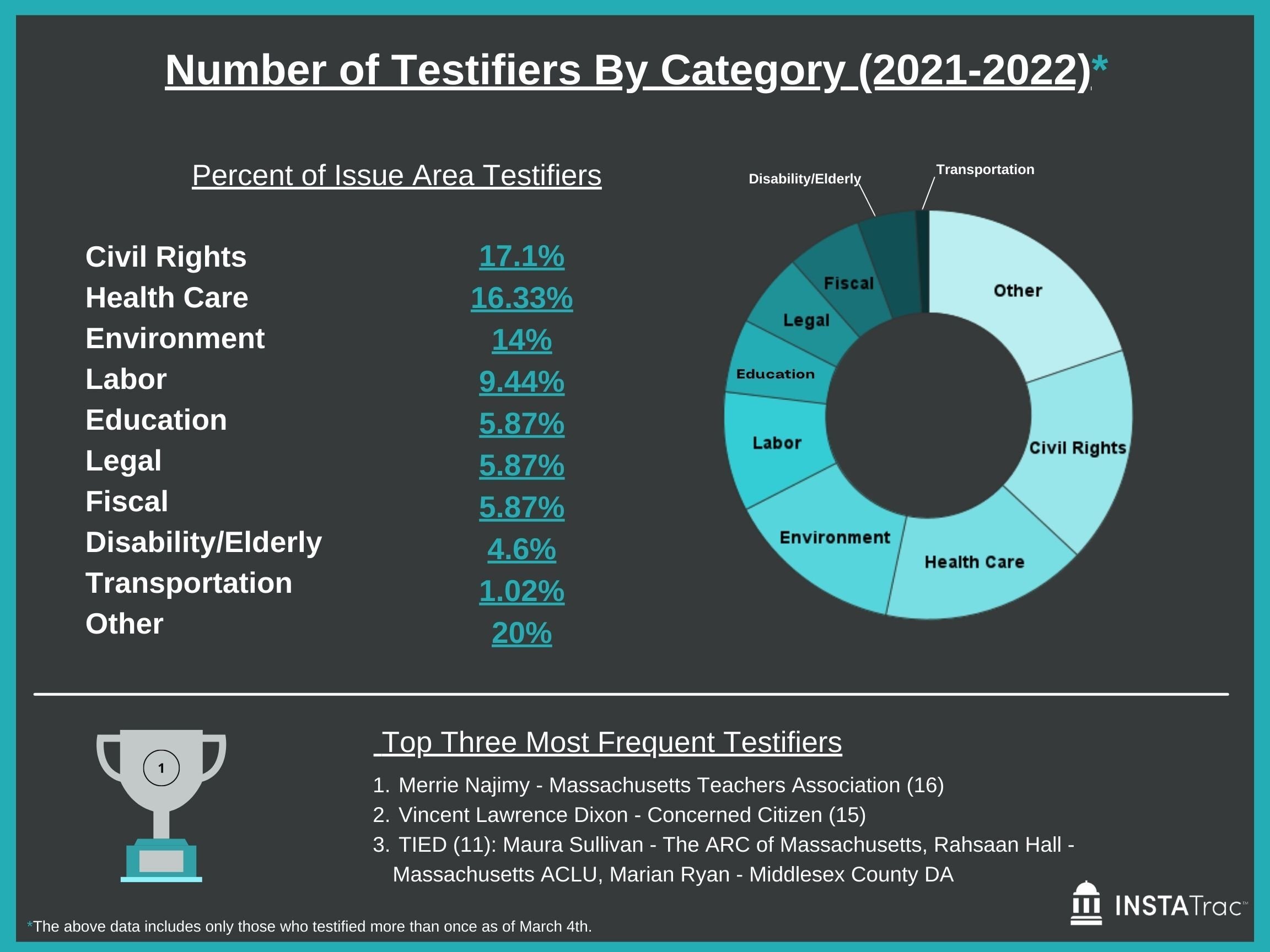
In the 2021-22 Massachusetts legislative session, there were over 3,000 people who testified at joint committee hearings. Our analysis found that 494 of these individuals were “frequent” testifiers, meaning that they testified in more than one hearing. This group included various state officials, interest groups, and concerned citizens, all of whom are highlighted in our data.
With election season shaping up, it’s a great time to look at one of the hottest races in the General Court. With the departure of Sen. Sonia Chang-Diaz, who is vying for the Governor’s office, there are two active and ambitious representatives looking to move up to the higher chamber.
Ahhh. Massachusetts. So many stereotypes, so little time. While outsiders may associate Massachusetts with its iconic accent or inclement weather, in reality, there are so many other things that make us special. And of course, we want to share them. Click to view this session’s proposed “official” symbols of the Commonwealth.
The Joint Rule 10 deadline for this legislative session was set for February 2, 2022, by when (in theory) all legislation must be acted for further consideration on the House and Senate floors. The committee process in the Massachusetts legislature is notoriously elusive, but our data (as of February 11) reveals some interesting patterns.
A review of the committee hearing calendar this session showed that nearly half of all committee hearings (44.3%) occur on Tuesdays of each week. Sometimes there are as many as 6 hearings occurring simultaneously! Hence, the nickname “Terrible Tuesdays”.
Another day, another announcement that a legislator is leaving their post. This year, the sheer number of legislators moving on is impressive. Click for a current list of who is leaving and where they plan on going (as of 2/3/2022):
The General Court calls it an outside section. While technically outside sections are only supposed to relate to appropriations, here in Massachusetts, they are often used to bypass the legislative process.
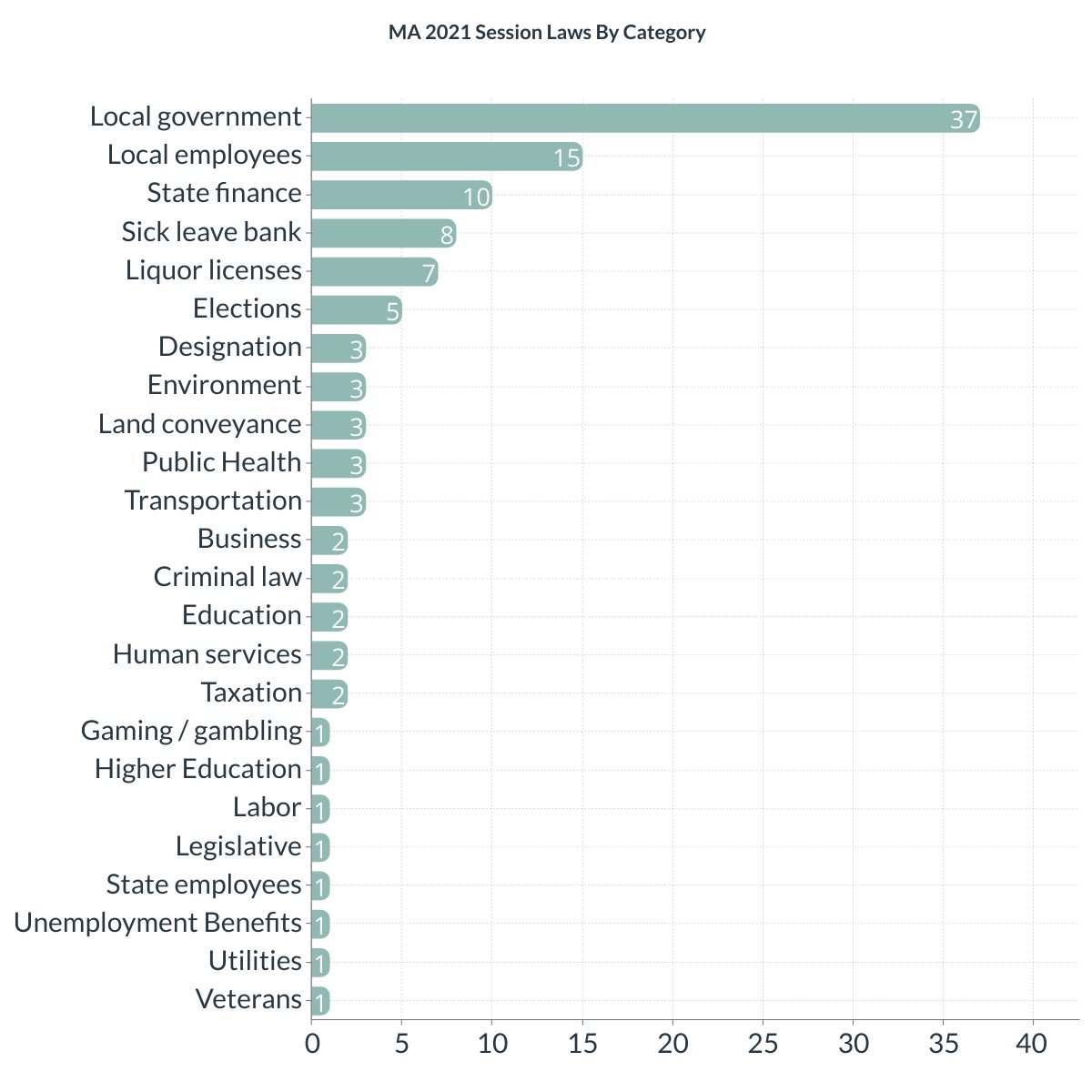
Of the 7,817 bills filed to date, only 115 have become law during the first year of the 2021-2022 General Court session. That’s a mere 1.4 percent! What were those laws about? Two words: local government. Here's a quick look at 2021 session laws by category.
From the end of the pre-filing deadline to the start of winter recess, there is plenty of data to inform your efforts when the second half of the 192nd General Court begins in January. Check out our infographic to learn more!
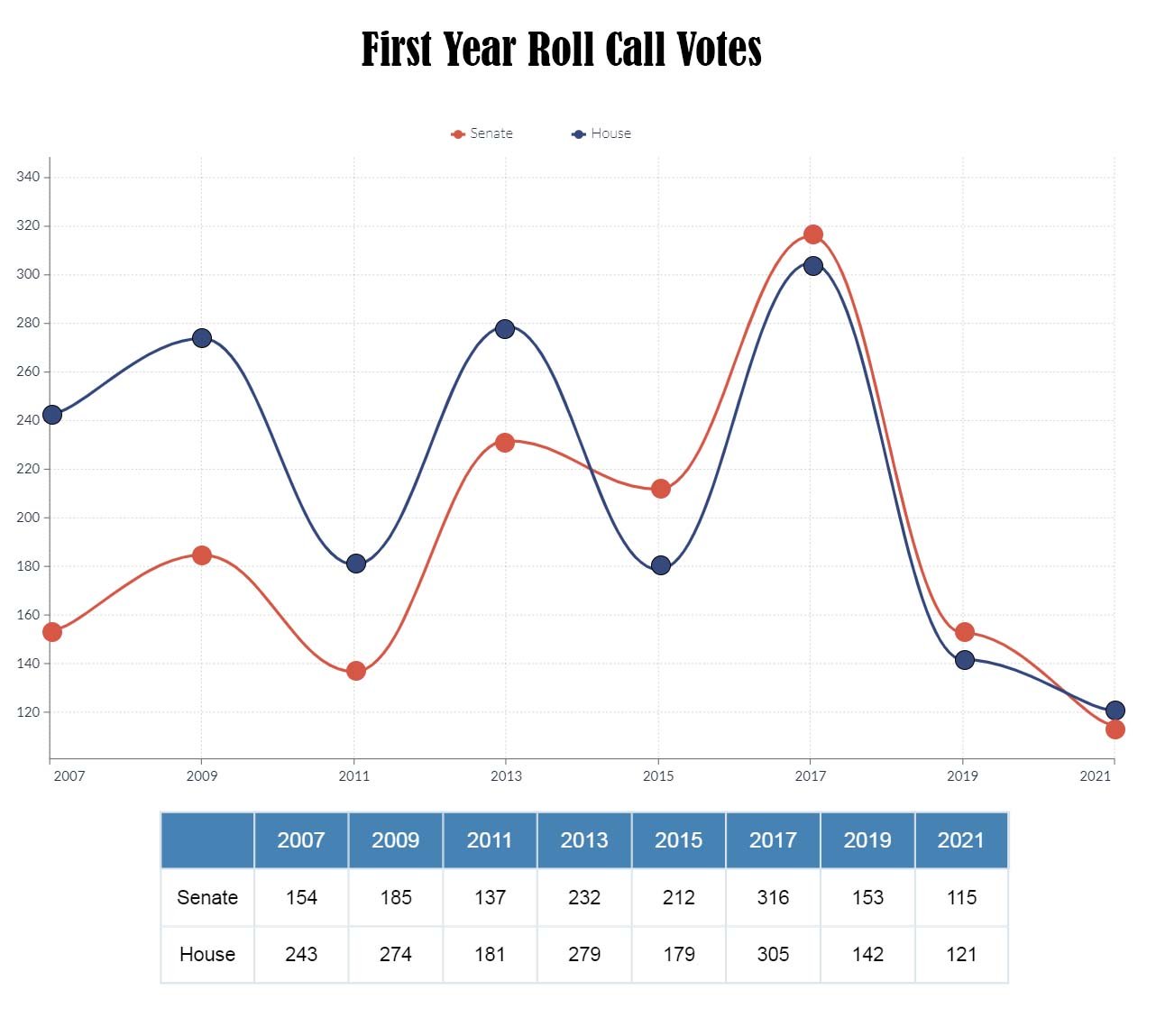
As we near the end of the first year of the 2021-2022 two-year legislative session, we wanted to take a few minutes to review activity by the Mass Legislature. When it comes to roll call votes, the Statehouse is way behind.
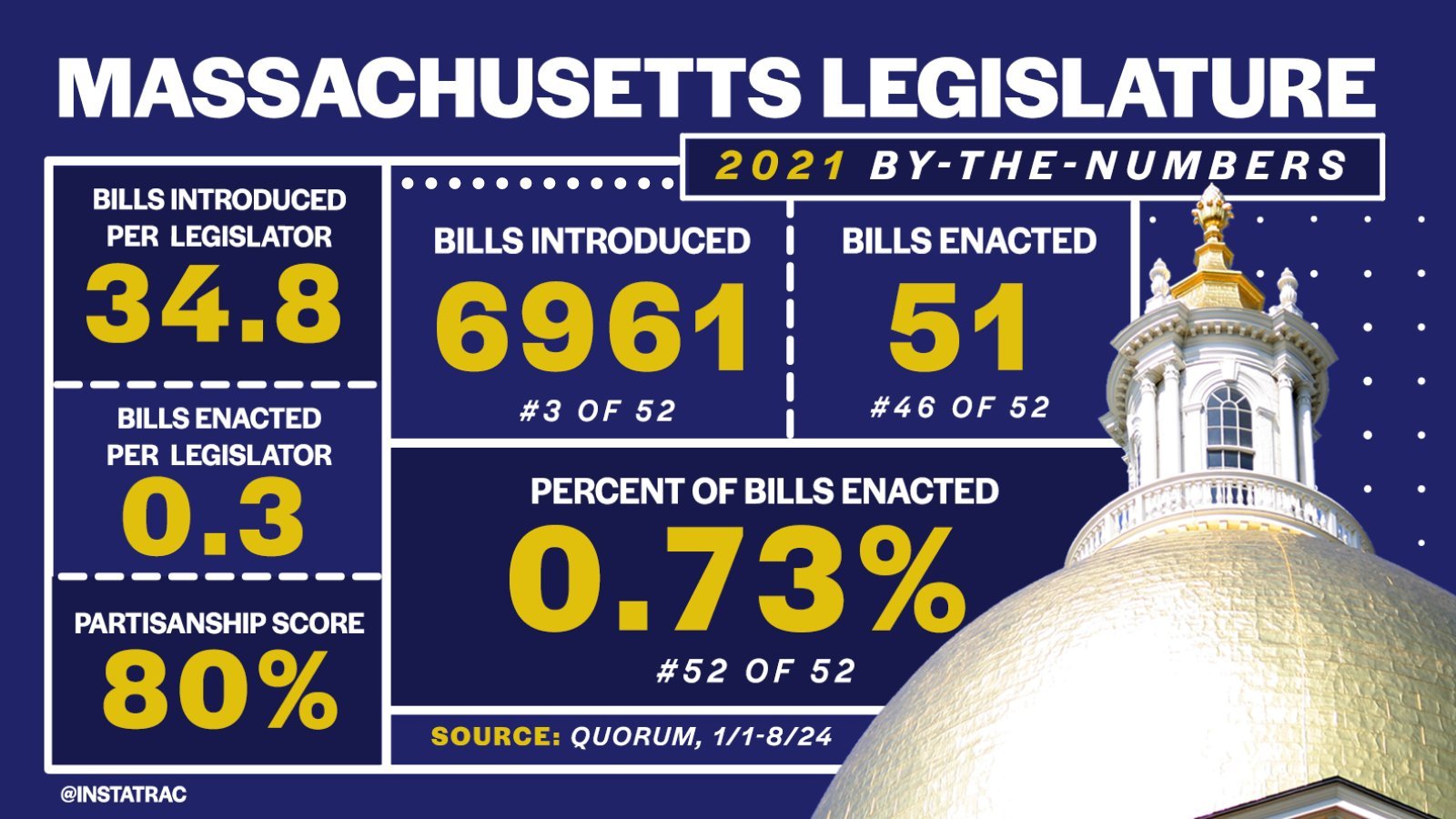
Curious about just how much has… or hasn’t… happened so far this session? Check out these numbers…
According to studies by national legislative services Quorum and FiscalNote, Massachusetts leads the nation in the number of bills filed, yet we come in last in terms of the percentage enacted.
I’ve known Roger Stone, whose prison sentence was commuted by President Donald Trump, for 47 years, but only learned of it last year. Here’s how we “met.”
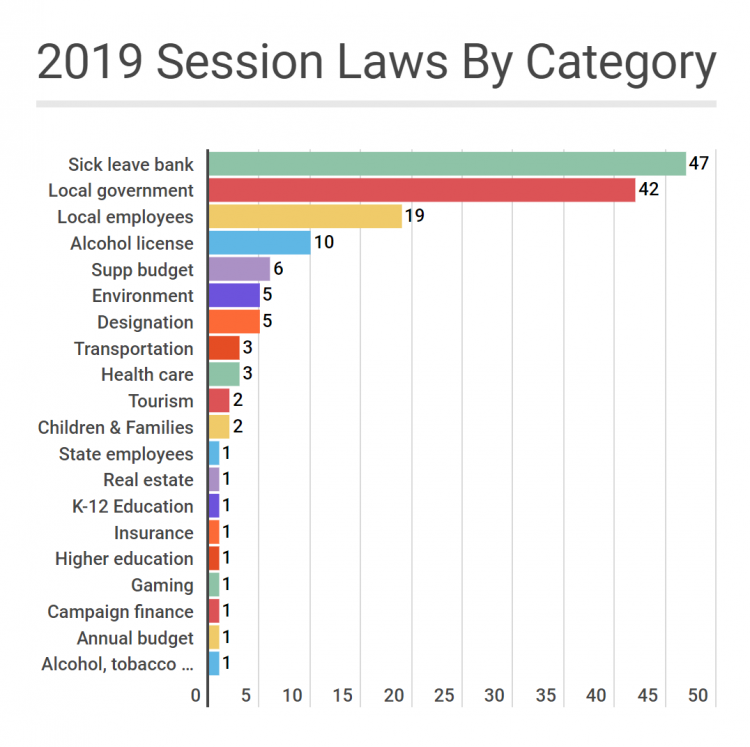
Of the 153 session laws passed during the 2019 sessions, most of them were… You guessed it… Sick Leave Banks! Followed closely by bills affecting municipal governments and local employees.
Join over 380 organizations who trust InstaTrac
Book Demo